 Financetoday
Ackman Warns More Fed Rate Hikes Could Tip the U.S. Into Recession
Markets·November 23, 2026
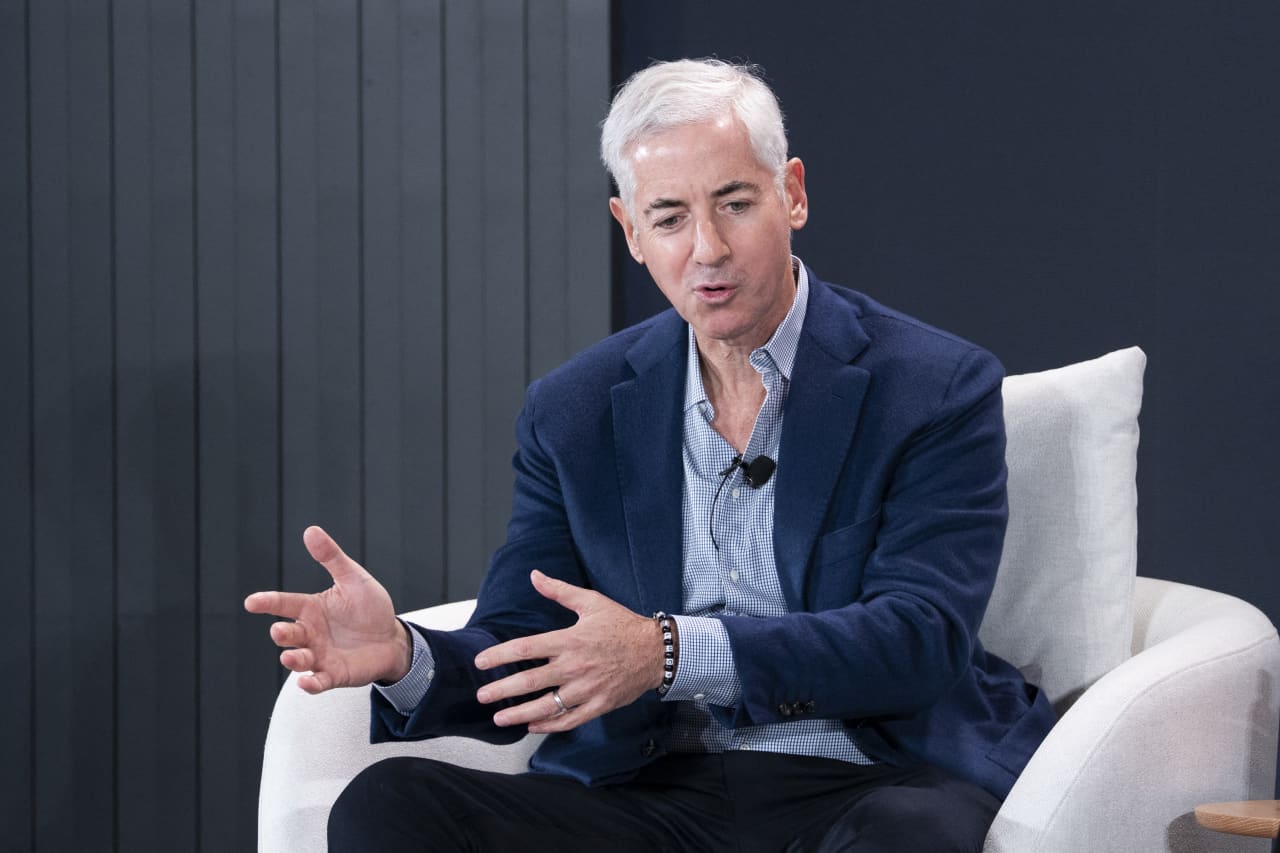
Pershing Square Capital Management chief executive Bill Ackman is warning that the United States could slide into recession if the Federal Reserve raises interest rates again. In a post on X, the hedge-fund manager argued that financial conditions have already tightened considerably, leaving little room for more increases without doing real damage to the economy.
Ackman's core point is that the tightening is already doing its work. Financial conditions are a broad gauge that combines borrowing costs, credit availability, equity prices and currency moves. When they tighten meaningfully, companies and households face higher costs and smaller budgets, and those effects tend to show up with a lag. In Ackman's view, policymakers who keep pushing rates higher risk overshooting, carrying the economy past a soft landing and into contraction.
The comment carries weight because of who made it. Ackman is one of the most prominent activist investors in the country, and his public statements are closely watched by markets. He is not a Fed official, though, and his post is an opinion rather than a forecast backed by official data. Still, it adds to a growing debate among investors over whether the central bank has already done enough to cool inflation, and whether the next move should be a pause.
For the Fed, the question is mostly one of timing. Officials typically weigh inflation readings against signs of slowing growth, weakening hiring and mounting credit stress. Central bankers have often said that their decisions depend on incoming data, so one investor's warning is unlikely to change policy on its own. It does, however, sharpen the question markets will keep asking: how much tightening is already built into the economy, and how much more can it absorb?
Investors and readers should watch the indicators that Ackman's argument points to, including credit spreads, lending standards, consumer spending and hiring trends. If those begin to weaken while rates stay high, the case for a recession strengthens. If they hold up, the warning may turn out to be an early call that never materialized. Either way, the post is a reminder that the effects of past rate increases are still moving through the economy.
Reporting based on an external source.