 Financetoday
AI Answers Are Undercutting the Web's Traffic-Based Business Models
AI·November 4, 2026
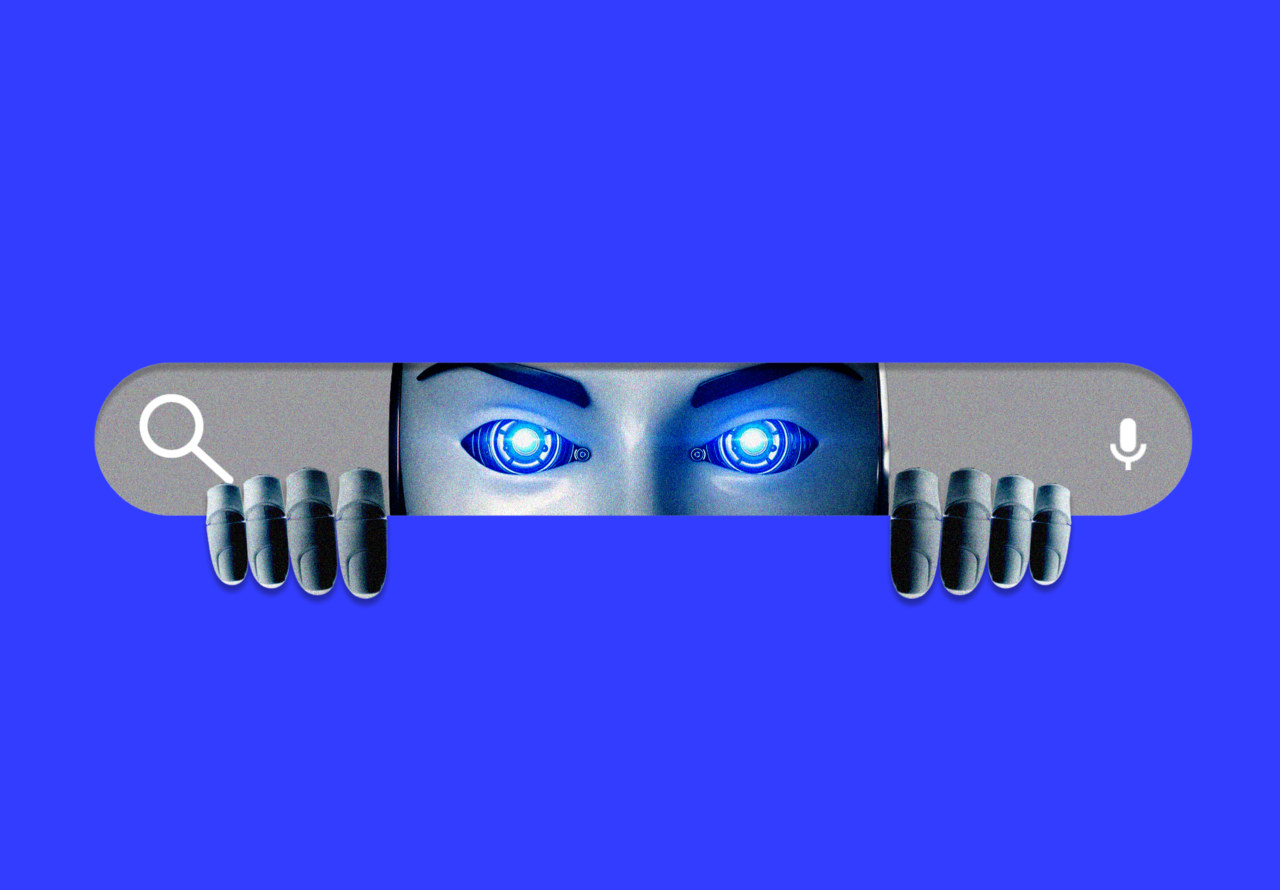
A chief executive has said the internet as people have known it for the past two decades is going away and will change completely. The warning is blunt, but it reflects a concern spreading across publishing, retail and online services: the traffic model that paid for much of the web is weakening as AI systems answer questions before anyone reaches a website.
For years the arrangement was simple. Search engines and social feeds sent readers to sites, and those visits turned into advertising revenue, subscriptions or sales. AI assistants and AI-generated summaries change that exchange. When a user gets a complete answer on the results page or inside a chat window, the reason to click disappears, along with the ad impression or product page view the business was counting on.
The pressure is uneven. Sites that depend on search for informational content, such as reference guides, how-to pages, product comparisons and news summaries, are the most exposed, because those are the queries AI tools handle most easily. Businesses with strong brand loyalty, direct relationships with customers or proprietary services are better placed. Many publishers are responding by pushing paid subscriptions, building newsletters and apps, and negotiating licensing deals with AI companies that want their material.
The shift also raises a harder question about who gets paid. Creators supply much of the material that AI models learn from and summarize, yet much of the value often accrues to the platforms that package it. That tension has already produced lawsuits and licensing talks, and it is unlikely to be settled quickly.
For investors and operators, the practical takeaway is that traffic-dependent models now carry more risk than they did a few years ago. Companies that can show direct revenue, a loyal audience and clear value beyond a search ranking will be in a stronger position as the web reorganizes around AI interfaces. Whether the open web survives in its current form, or turns into something more gated and licensed, remains an open question.
Reporting based on an external source.