 Financetoday
AI Debt Trouble Could Hand Warsh His Case for Fewer Rate Hikes
Monetary Policy·October 27, 2026
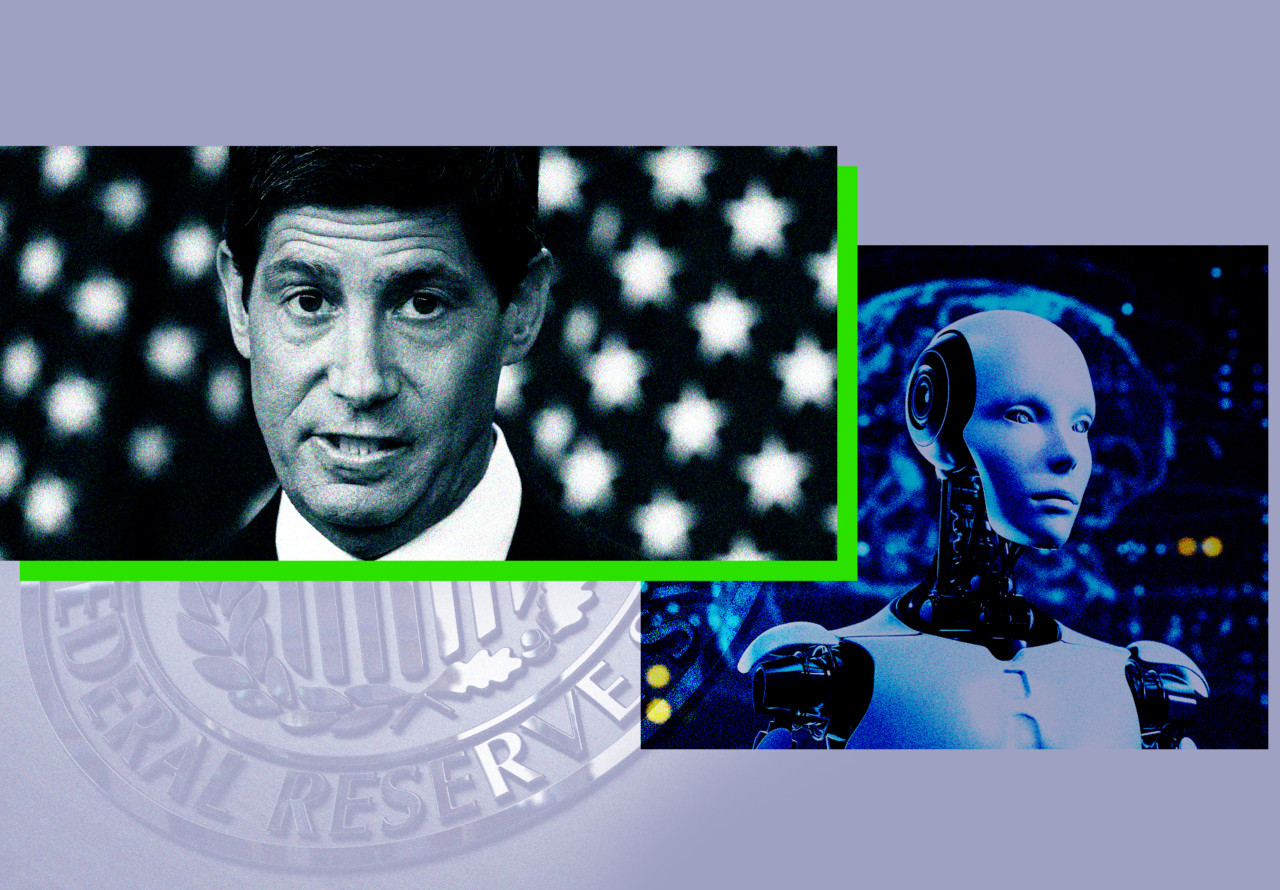
Credit markets may be doing some of the Federal Reserve's work for it. Money for artificial intelligence projects has become harder to raise and more costly to borrow as investors take a harder look at the enormous capital spending that has driven the sector's expansion. For policymakers weighing whether to raise interest rates again, that shift could matter.
The logic runs like this. When lenders pull back from a sector that has leaned heavily on borrowing, financial conditions tighten even if the central bank does nothing new. Data center developers, chipmakers and the firms backing them face higher costs and stricter terms, which can slow projects and dampen the investment that has been propping up parts of the economy. A central bank that sees conditions tightening on their own may feel less urgency to push rates higher.
That is the opening Kevin Warsh could use. The framing points to a path where the Fed does not need to deliver as many increases, because the cost and availability of AI-linked credit is already doing some of the restraining. For someone arguing against a long run of hikes, that is a useful observation: the market is tightening, so the Fed can afford to be more patient.
There are limits to that argument. Strains in one corner of lending do not automatically spread across the broader economy, and the Fed's decisions still depend on inflation, employment and the wider state of financial markets. Officials will also want to know whether the pullback in AI financing is a temporary repricing of risk or the start of a deeper retrenchment. A brief wobble in investor sentiment would carry different implications than a sustained drop in funding for the buildout.
Still, the episode highlights how closely the AI spending boom is now tied to the cost of money. Much of the infrastructure being built has depended on borrowed capital, so changes in lending appetite can ripple outward quickly. Whether that ripple ends up strengthening the case for restraint at the Fed will depend on how long investors stay skeptical and how far the squeeze reaches beyond the technology sector.
Reporting based on an external source.