 Financetoday
AI Job Losses Could Squeeze Household Debt Payments
Consumer Credit·October 30, 2026
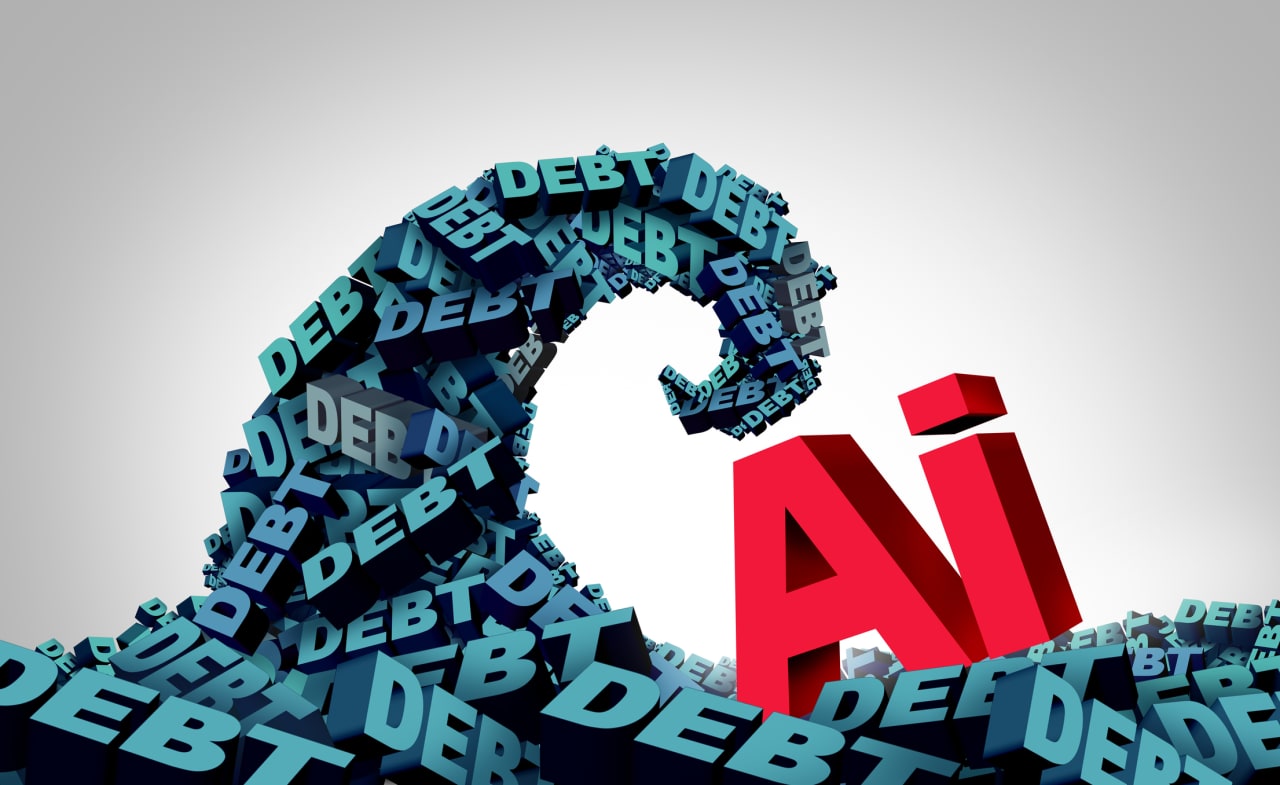
The debate over artificial intelligence usually centers on productivity, profit margins and which companies will come out ahead. A quieter question is what happens to the household budget when the technology starts replacing the people who earn the paychecks. A job loss can quickly become a debt problem, and AI could make that chain reaction more common.
The mechanism is straightforward. Most families carry some mix of mortgages, car loans, student debt and credit card balances, and all of them assume a steady income. When a paycheck disappears, the first things to go are discretionary spending and savings. After that, minimum payments start to slip. Missed payments can damage credit scores, make refinancing more expensive and push people toward high-interest products to cover the gap. Lenders tend to tighten their standards once unemployment starts rising, which makes recovery harder for the people who need it most.
That is the trade at the heart of the argument. Companies that adopt AI tools may cut costs and improve margins, and some of those savings could reach consumers as lower prices or shareholders as higher returns. But displaced workers do not automatically share in those gains, and their debts do not shrink because the economy has become more efficient. Whether the overall effect is positive depends largely on how quickly laid-off workers find new roles and whether those roles pay comparably.
For individuals, the practical lesson is to treat job security as a financial risk factor, not only a career question. An emergency fund, a plan to pay down high-interest balances first and a rule against borrowing to cover everyday expenses are the standard defenses, and they matter more when income becomes less predictable. Lenders and policymakers also have a part to play, through hardship programs, debt restructuring options and retraining support that helps workers stay current on payments while they reskill.
The concern is still a forecast rather than a measured trend. It is worth watching anyway, as companies disclose how they are using AI and as credit data shows whether layoffs are translating into delinquencies. Households that plan for the possibility now will be in a stronger position if the trade-off turns out to be real.
Reporting based on an external source.