 Financetoday
Analysts Call Power Stock Sell-Off an Overreaction to Election Fears
Energy Stocks·November 5, 2026
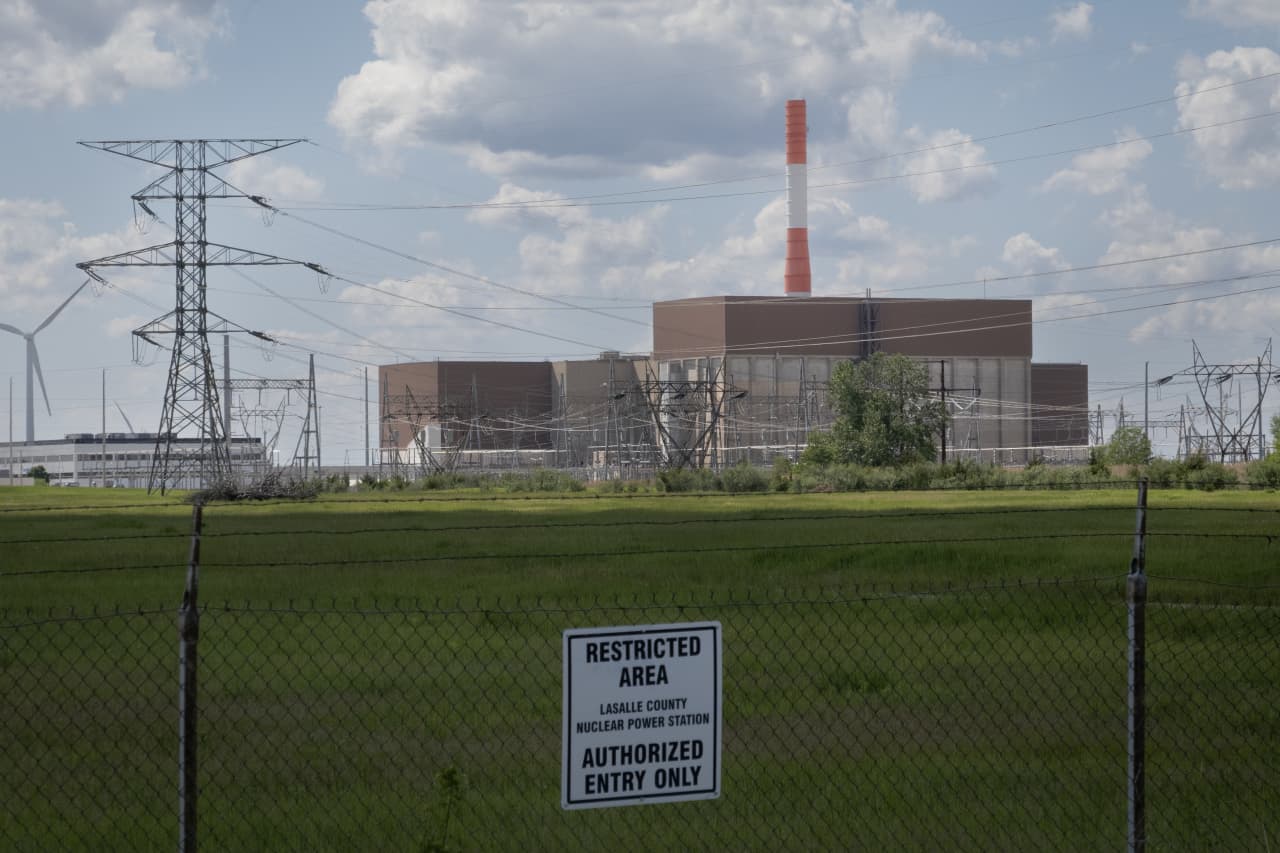
Shares of Vistra and several other power producers have fallen in recent sessions, and some analysts think investors are reacting too quickly. The concern driving the sell-off is that newly elected officials could slow the expansion of data centers, which have become one of the fastest-growing sources of electricity demand. Those analysts argue the selling has gone further than the political picture justifies.
The stocks were already under pressure before the latest decline. Energy companies have struggled to keep up with investor enthusiasm that surged during the artificial intelligence buildout, and any hint that demand growth could cool tends to hit the group hard. For companies like Vistra, which owns and operates power plants and sells electricity into competitive markets, the prospect of a policy shift in power-hungry regions is enough to prompt a quick re-pricing.
Analysts who see the reaction as excessive point to how slowly energy policy actually changes. Data-center developers typically sign long-term power agreements, and utilities and generators are building capacity against demand that is already committed. Permitting, grid interconnection and utility commission rulings move at a deliberate pace, so a new administration or a fresh set of lawmakers rarely reverses projects overnight. In their view, the market is pricing in a dramatic slowdown that the underlying contracts and construction schedules do not yet support.
That does not mean the risks are small. New officials could tighten rules on how large electricity users connect to the grid, change tax incentives, or add conditions to projects that require state approval. Any of those moves could alter the economics for power producers, and investors will likely watch closely for specific proposals rather than campaign rhetoric. For now, the debate comes down to whether the selloff reflects a real change in the outlook or a reaction to uncertainty that may fade once the agenda becomes clear.
Reporting based on an external source.