 Financetoday
Budget Airlines Trade Bare Cabins for Premium Seats and Faster Wi-Fi
Airlines·November 15, 2026
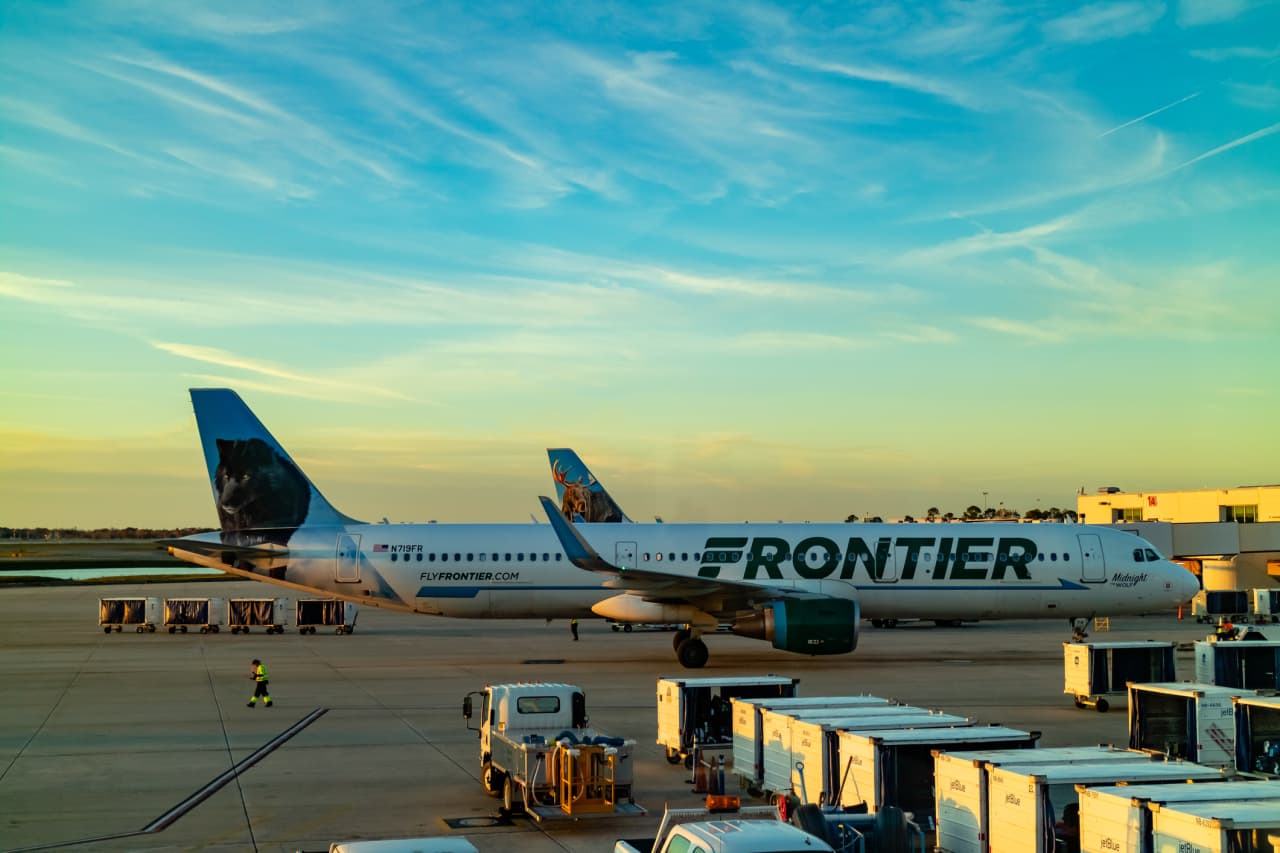
The no-frills model that made low-cost carriers famous, with stripped-down cabins and fees for nearly everything, is getting an upgrade. Frontier and JetBlue are both courting travelers who have usually paid for full-service airlines, adding premium seating and faster onboard internet to their menus.
The logic is straightforward. Rock-bottom fares draw price-sensitive customers, but those fares leave thin margins, and operating costs have not gotten any cheaper. Premium travelers, by contrast, will pay extra for more legroom, a better seat and connectivity that works for a video call or a movie stream. Selling those upgrades lifts revenue from each seat without requiring an airline to fill its planes with more expensive tickets.
Investors appear to see the appeal. The move suggests Wall Street views the pivot as a route to steadier earnings than fare wars alone can deliver, and that view has encouraged buying interest in the sector's upgraded story.
The changes are not without risk. Premium cabins require different seat layouts, more attentive service and dependable network equipment, and each of those adds cost. Budget carriers built their reputations on simplicity, and some loyal customers may bristle at paying for amenities that once came with the fare. The central test is whether the new products can deepen loyalty without eroding the low prices that first drew people in.
For travelers, the shift means more choice. Passengers who want the cheapest possible seat can still book one, while those willing to pay for comfort will find options that look increasingly like those on traditional airlines. How much the line between budget and full service blurs will become clearer as the new cabins roll out and carriers report how many passengers actually pay for them.
Reporting based on an external source.