 Financetoday
Can Nvidia Escape the Market-Cap Curse?
Markets·November 16, 2026
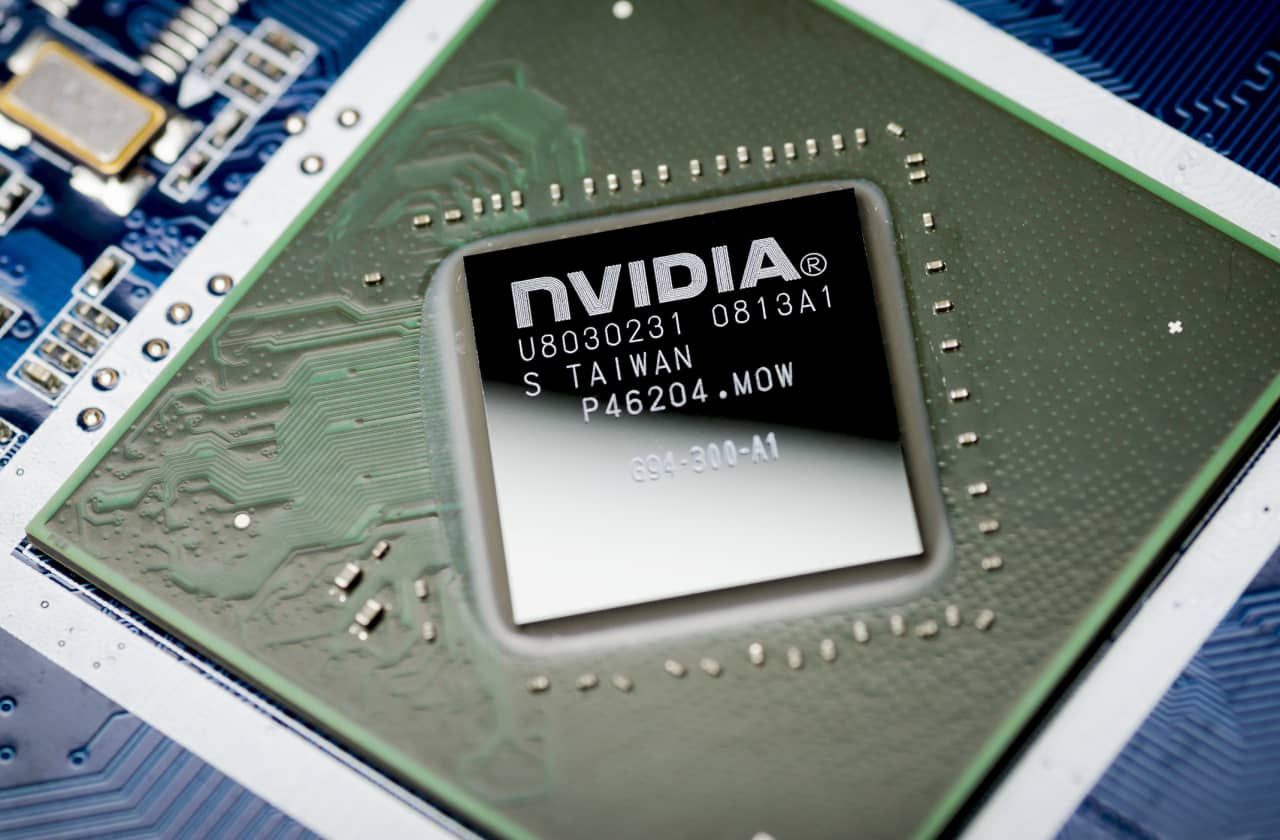
Reaching the top of the market-value rankings has historically been a poor predictor of what comes next. Many companies that held that spot later watched their shares stall for years. J.P. Morgan Asset Management, however, argues that Nvidia may be an exception, and that its current valuation looks attractive for long-term investors.
The strategist's case starts with the sell-side. Many analysts have cut their forecasts in recent months, yet the median price target across the Street remains far above the roughly $280 at which the stock trades. That gap suggests that, even after the revisions, most professional forecasters still see meaningful room for the shares to rise.
The stronger argument, according to the firm, lies in the balance sheet. Nvidia generates substantial cash flow and carries a debt load that compares favorably with other companies building artificial intelligence products. That financial flexibility gives it room to keep investing in research and manufacturing, and to weather a slowdown in customer spending without depending on outside capital.
The historical pattern is less reassuring. Cisco became the world's most valuable company in March 2000, at the height of the dot-com boom, and its shares then spent many years well below that peak. Market leaders tend to struggle when growth slows and expectations outrun earnings. The question for Nvidia is whether its profits can keep rising fast enough to justify a valuation that already assumes a great deal of success.
For investors, the message is constructive but conditional. The case rests on two things: continued earnings growth and sustained demand for AI computing hardware. If either falters, a company with a strong balance sheet can still see its share price fall. Those are the metrics worth watching as the next earnings reports arrive.
Reporting based on an external source.