 Financetoday
Can't Use Your $126 Concert Ticket? Why Break-Even Resale Gets Harder Every Day
Personal Finance·October 5, 2026
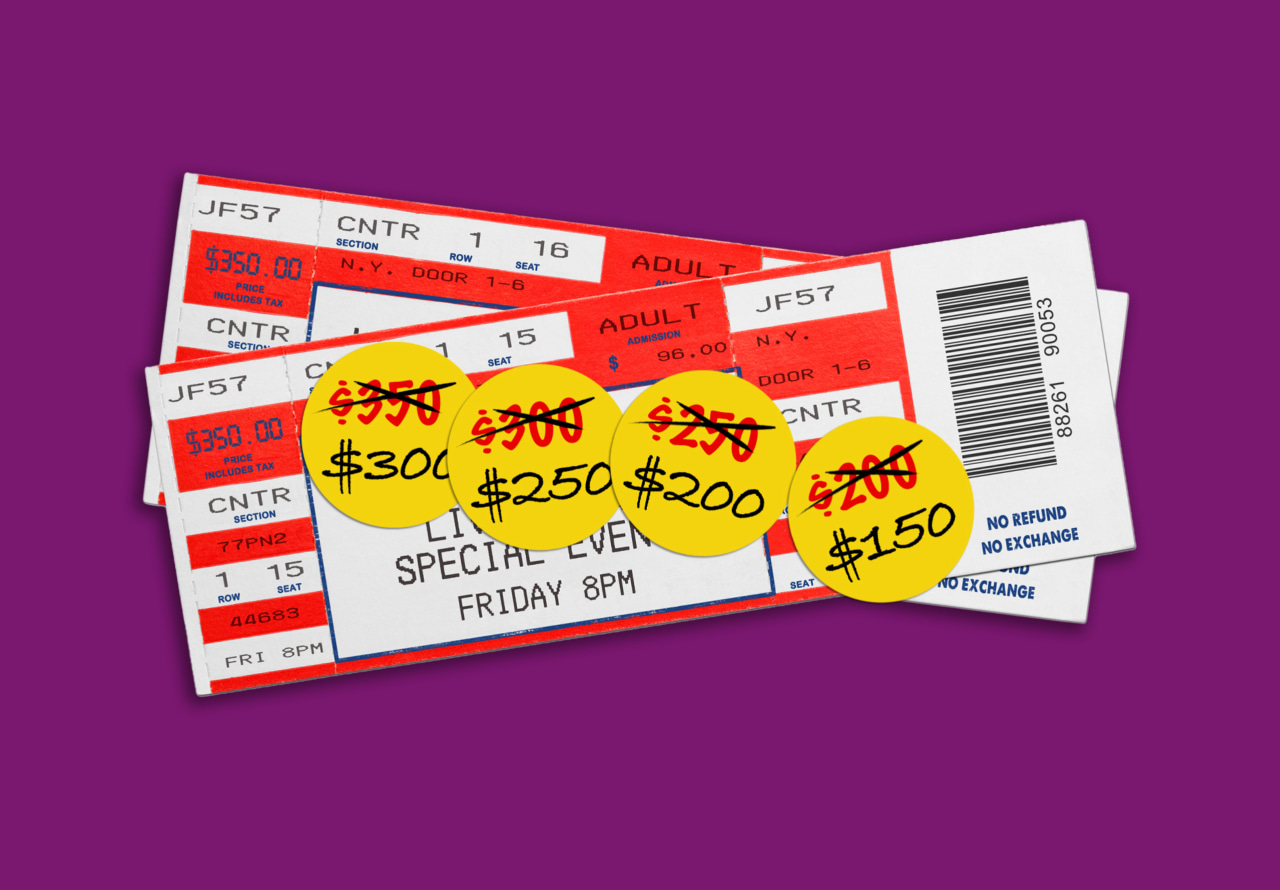
A reader recently wrote in with a problem that plenty of concertgoers know well. They paid $126 for a ticket for their sister, who now can't attend, and they are struggling to accept that some of that money may be gone for good.
The short answer is that there is no single cutoff date that guarantees you will break even. Resale is a market, and the price you can get depends on demand for that specific show, how many similar seats are listed, and how close the event is. What is certain is that the clock works against sellers. Prices on most platforms tend to soften as the event nears and unsold inventory piles up, unless the show is a true sellout with fans scrambling for last-minute seats.
Fees are the part that catches people out. Most resale marketplaces take a cut from the seller, often in the range of 10 to 15 percent, and buyers pay their own service charges on top. That means a ticket you bought at $126 may need to list well above that figure just for you to walk away with your original outlay. If you priced it at face value, expect to come out a little behind even when it sells quickly.
So the practical approach is to list early rather than wait. Sellers who post as soon as plans fall through usually have the widest pool of buyers and the least competition, and they can afford to start with a price that covers fees. From there, trim the price gradually instead of slashing it in one move. Check what comparable seats in the same section are actually selling for, not just what they are listed at, because asking prices can run far ahead of reality.
It also helps to know the alternatives. Some venues and ticketing platforms offer official resale or transfer tools, which can be safer for buyers and sometimes carry lower fees. If the ticket was bought with event cancellation or ticket protection coverage, check whether a change of plans qualifies. Many policies are narrow, so read the terms before counting on a refund. Offering the ticket to friends or coworkers at face value is another low-fee option, and it avoids marketplace charges entirely.
Then there is the harder question the reader raised: accepting a loss. Economists call it the sunk cost problem. The $126 is spent whether or not the ticket sells, and holding out for a break-even price that the market won't pay can leave you with a worthless ticket and no refund at all. A smaller loss on a sale is generally better than a full loss on a seat that goes unused.
As a rule of thumb, decide in advance on the lowest price you will take, set a date a few days before the show as your final deadline, and be ready to drop to that number once it arrives. If the show is popular, you may well break even or better. If not, recovering most of your money and moving on is a perfectly reasonable result.
Reporting based on an external source.