 Financetoday
Can You Clear $4,500 in Card Debt in Two Months?
Personal Finance·October 24, 2026
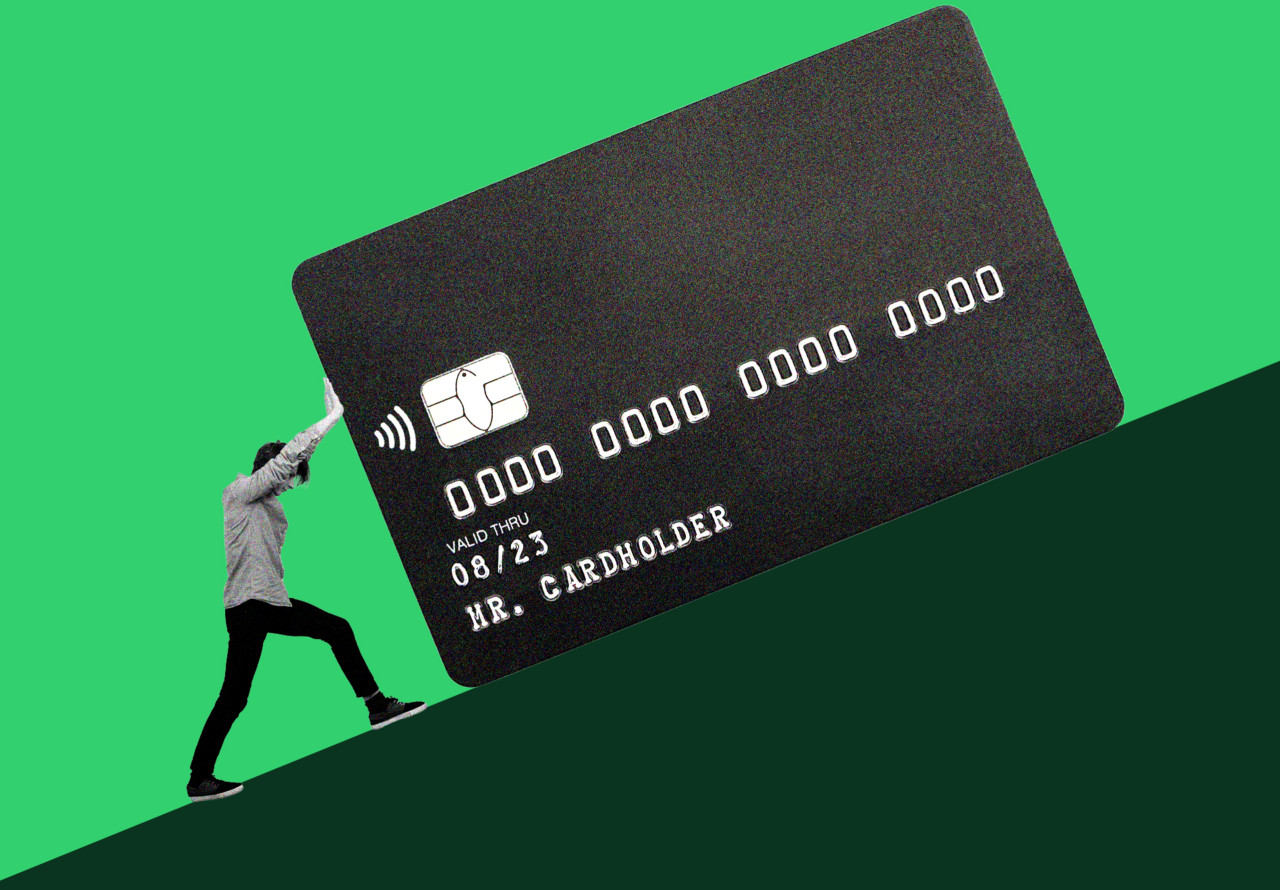
Paying off $4,500 in credit-card debt within two months is possible on paper, but it takes a monthly payment most households can't easily find. At a typical card rate of around 22 percent APR, clearing that balance in 60 days means paying roughly $2,300 a month, interest included, and adding nothing new to the card along the way.
That makes cash flow the real question, not willpower. If take-home pay after rent, utilities and groceries leaves only a few hundred dollars for debt, a two-month plan will fail and the card will absorb the shortfall. The honest test is simple: take your monthly income, subtract essential expenses, and see what is left. If the answer is near $2,300, the two-month target is realistic. If not, it's a stretch goal that could leave no room for an emergency.
There are a few ways to close the gap. Temporary spending cuts, one-time sales of unused items, or extra income from freelance work can all add up. A balance-transfer card with a 0 percent introductory rate can also cut the interest cost. Most charge a transfer fee of 3 to 5 percent, which would add about $135 to $225 to a $4,500 balance, but it usually saves far more than that if the balance is cleared quickly.
Payment method matters too. Paying only the minimum on a $4,500 balance at that rate can stretch repayment for years and cost well over a thousand dollars in interest. If you have more than one card, the avalanche method, which targets the highest rate first, saves the most money. The snowball method, which clears the smallest balance first, can work better for people who need quick wins to stay motivated. Either way, setting up automatic payments prevents missed fees, and putting the card away while you pay it down keeps the balance from growing.
The question also says something about how people learn money management. Many adults never received formal instruction on credit, interest or repayment, and feeling behind is common. The more useful step is not to judge past decisions but to get a clear picture of the monthly numbers and choose a payment you can sustain.
For most people, a fixed monthly payment spread over six to twelve months cuts interest substantially and is far easier to keep up than a two-month sprint. If your numbers support $2,300 a month, go for it. If they don't, a steady plan that you can actually follow will do more good than an aggressive one you abandon in week three.
Reporting based on an external source.