 Financetoday
Fasting Can Help, but It Isn't Effortless, the Evidence Shows
Health and Wellness·October 17, 2026
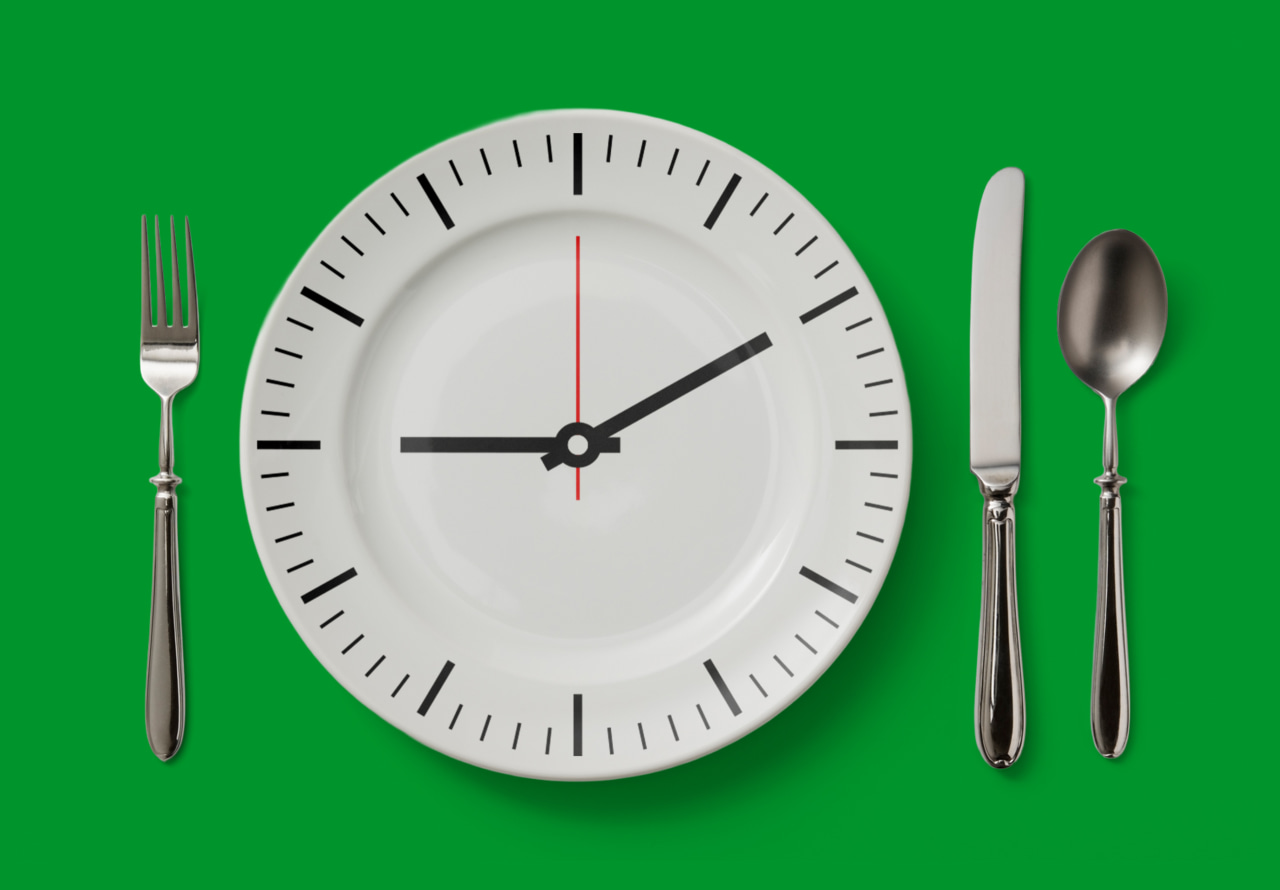
Fasting has become one of the most talked-about habits in wellness circles, with influencers and biohackers promoting it as a simple route to weight loss, better energy and longer life. The research supports a more modest conclusion. For many people, fasting works mainly because it makes it easier to eat fewer calories, and that is the part that matters most.
Studies comparing time-restricted eating and alternate-day fasting with standard calorie reduction have generally found similar weight loss when total calorie intake is matched. The schedule itself adds little on top of eating less overall. Some people find a set eating window easier to follow because it removes the need to decide what to eat at every meal. Others find that they overeat once the window opens.
The downsides are real. Hunger, headaches, irritability and poor sleep are commonly reported, and some trials have seen meaningful numbers of people drop out. Fasting is also not appropriate for everyone. Pregnant or breastfeeding women, people with a history of eating disorders, and anyone taking diabetes or blood pressure medication should speak with a doctor before trying it.
Claims that fasting dramatically speeds up metabolism or triggers major cellular cleanup in humans go further than the current evidence allows. Much of that work comes from animal studies or small trials, and the results do not always carry over to everyday life.
The bottom line is that fasting can be a useful tool for cutting calories, but only if a person can stick with it. Anyone considering it should expect real effort rather than a shortcut, and should check with a doctor first if they have an existing health condition.
Reporting based on an external source.