 Financetoday
Fed Rate Decision May Be Closer Than Markets Expect
Monetary Policy·October 17, 2026
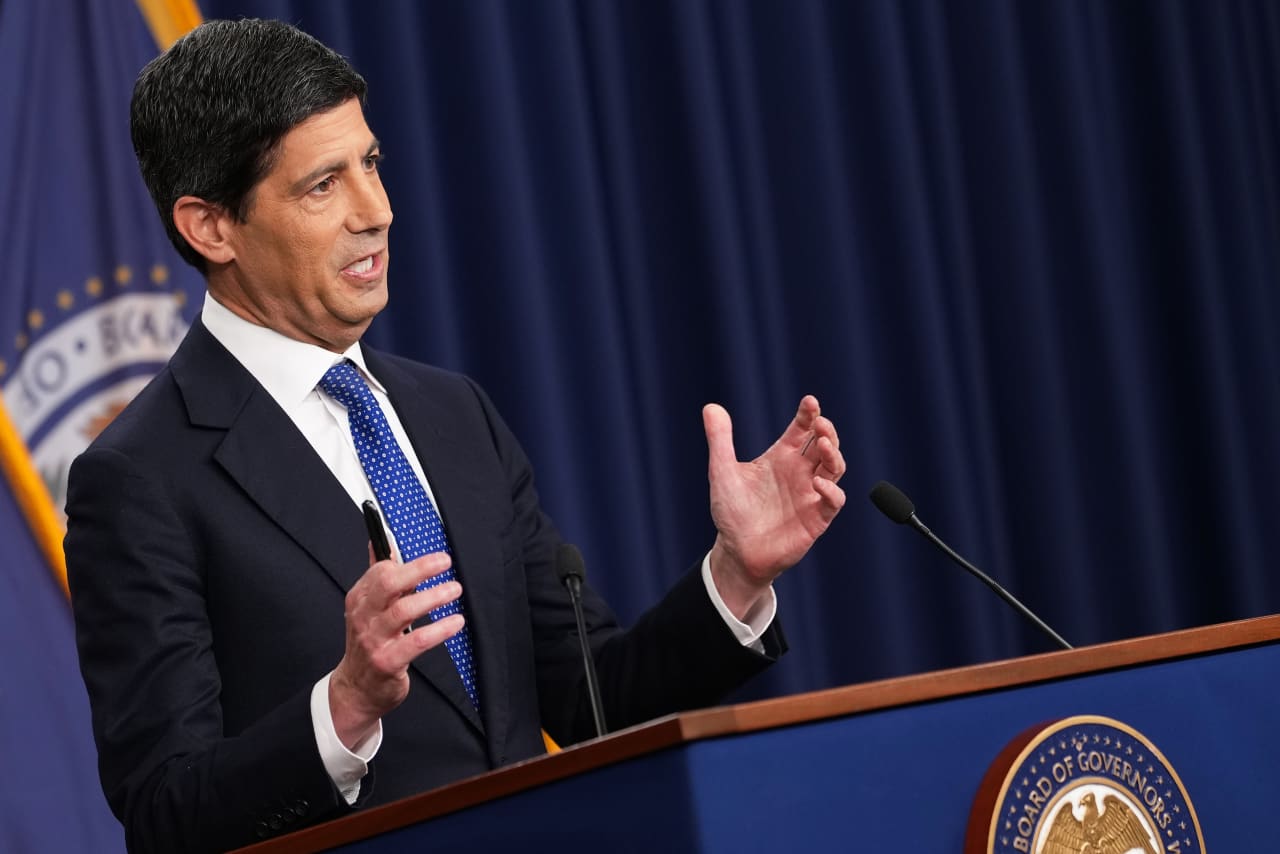
Financial markets have largely settled on a view of the Federal Reserve's decision this month, but a growing number of analysts argue the outcome is far less certain than prices suggest. The debate centers on whether the central bank should raise interest rates again or hold steady and give earlier tightening more time to work through the economy.
The case against a hike rests on a familiar idea: monetary policy acts with a lag. Supporters of holding say the effects of past increases on hiring, business investment and household spending may not yet be fully visible in the data. In their view, the Fed risks overshooting and pushing the economy into a slowdown that would be harder to reverse than a delayed move.
Not everyone is persuaded. Some economists note that inflation has often proved stickier than forecasters expected, and they warn that a pause could be read by businesses and households as a sign that the central bank is willing to tolerate higher prices. Their concern is that acting too late could mean a longer, more costly effort to bring inflation back to target.
That split is why the decision may be closer than headline expectations imply. Traders tend to anchor on recent central bank guidance and a handful of data releases, while the disagreement among economists runs deeper, into how much weight to give slowing growth compared with persistent price pressures. A surprise in the Fed's statement or in the press conference that follows could move bond yields, the dollar and stock prices quickly.
For borrowers and savers, the stakes are practical. A hold would keep mortgage and loan rates near current levels, while a hike would push them higher. Investors should pay close attention to how officials describe the path ahead, since the language about future meetings can matter as much as the decision itself.
Reporting based on an external source.