 Financetoday
Fewer Babies, Pricier Diapers: Why P&G Is Betting on Premium
Consumer Goods·October 23, 2026
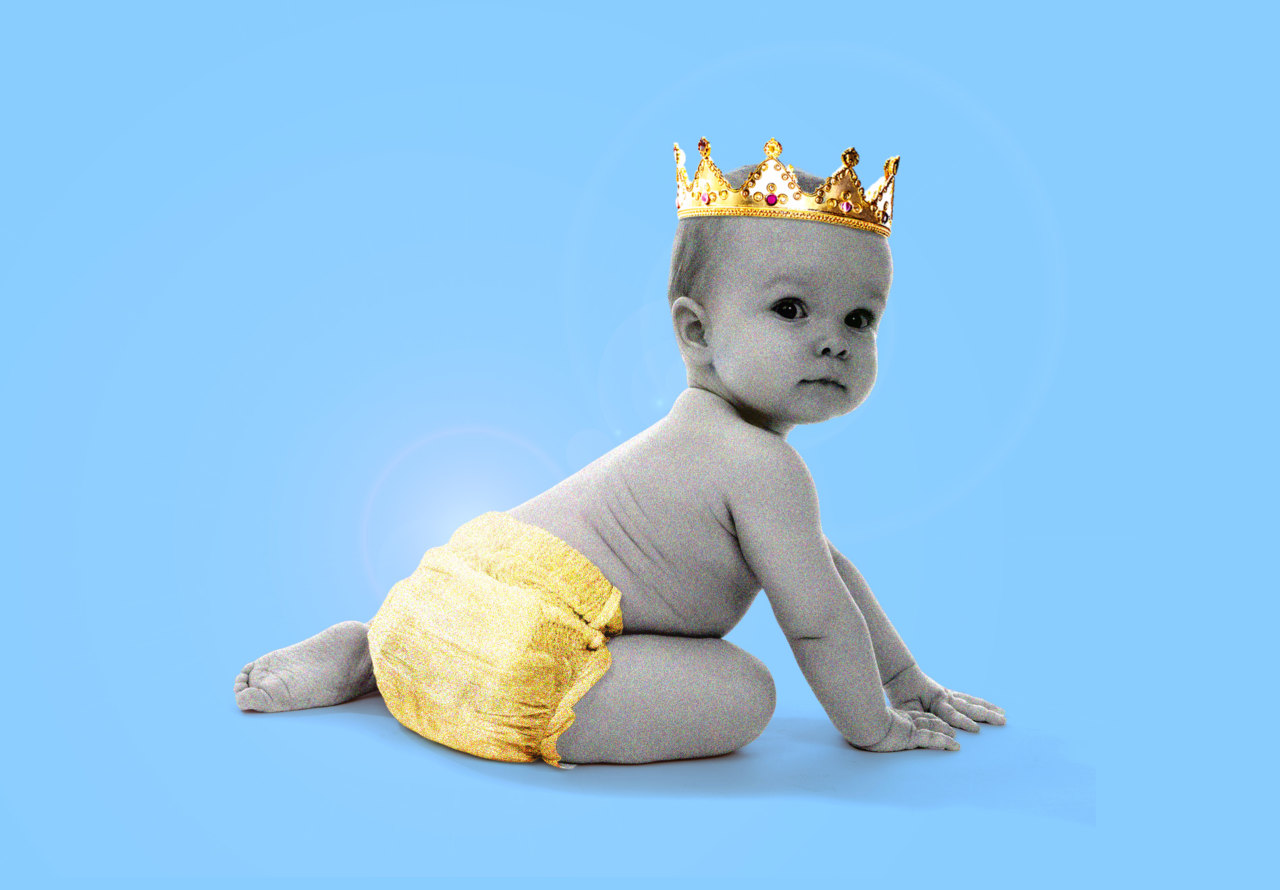
Procter & Gamble's chief financial officer has a straightforward explanation for why the company's premium baby products may keep selling even as the number of new parents declines. "Fewer babies in each household means parents spend more per baby," he said, and the company is counting on that shift to hold up its results.
The logic is easy to follow. When a family has one child instead of three, the household budget that once stretched across several kids can now go further on a single one. Many parents respond by trading up from basic diapers to higher-priced lines that promise softer materials, better fit, or added leak protection. For a company that sells diapers and other baby care items around the world, that willingness to pay more can soften the effect of a smaller pool of customers.
The shift comes against a backdrop of falling birth rates in the United States, where households have been having fewer children for years. Fewer births mean fewer new buyers entering the category each year, which matters for any consumer goods maker that relies on steady volume. Companies in this space have been watching those numbers closely and looking for ways to keep revenue growing without depending on a larger customer base.
P&G's approach, as its finance chief frames it, is to focus on value rather than volume. Premium products typically carry higher margins than standard ones, so selling a more expensive mix to fewer households can support profits even when unit sales stay flat. Consumer analysts often describe this kind of strategy as trading up, and it is one that brands in many categories have tried when growth in the number of buyers slows.
The argument has limits. Premium pricing holds only as long as household budgets stay healthy, and cost-conscious parents can move back to store brands or lower-priced options when prices climb or wages lag. The strategy also depends on parents believing the upgrade is worth the money, which means brands have to keep showing a real performance difference rather than simply charging more.
For now, the message from the company's finance leadership is clear. P&G is betting that fewer babies will not mean less spending on each one, and that its premium lines can keep the category growing even as the population of new parents shrinks.
Reporting based on an external source.