 Financetoday
Freight-Futures ETF Surges, and the Mechanics Behind It Explain Why
Commodities·October 9, 2026
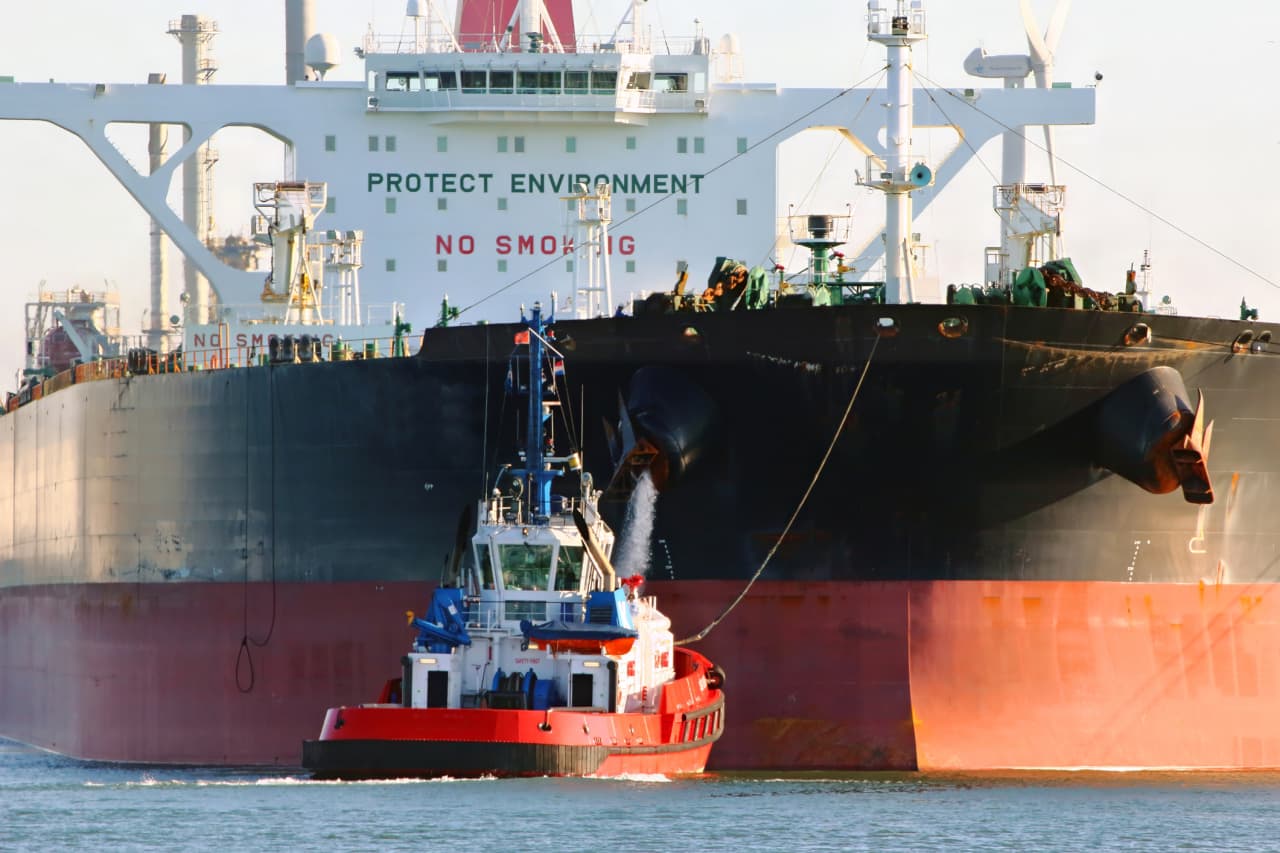
An exchange-traded fund linked to freight futures has been climbing fast, and investors are asking what is driving it. The fund's share price has risen steeply, a move that stands out in a corner of the market that often changes more gradually. Specific figures behind the rally were not available for this report, so the explanation below focuses on how these products work and what tends to move them.
Freight futures are contracts that let shippers, carriers and traders lock in the cost of moving cargo on a given route at a set date. Their prices reflect how much freight needs to move, how many vessels and containers are available, and how expensive fuel and port delays have become. When capacity tightens, prices can jump quickly, because a modest shift in demand or a disruption at a major port can upset the balance.
An ETF tied to these contracts does not own ships or cargo. It holds futures contracts and periodically sells near-term ones to buy later-dated ones, a process known as rolling. When the futures curve is steeply backwardated, meaning nearby contracts trade above later ones, rolling can add to returns. When the curve flips, the same process can weigh on performance. That mechanism is why such funds can move in ways that look disconnected from the spot freight rates reported in shipping news.
Volatility is the other side of the story. Commodity-linked funds often rise and fall much faster than broad stock indexes, and sharp rallies have historically been followed by equally sharp reversals. Fund prospectuses usually explain how contracts are rolled, which benchmark the fund follows and what fees apply. Those documents are worth reading before acting on a headline.
Whether the rally holds will depend on the conditions behind freight rates. Shipping demand, vessel capacity and trade policy are the main variables to watch in the weeks ahead.
Reporting based on an external source.