 Financetoday
Google Bets on Rock-Melting Drills to Fuel Its AI Power Needs
Energy·November 19, 2026
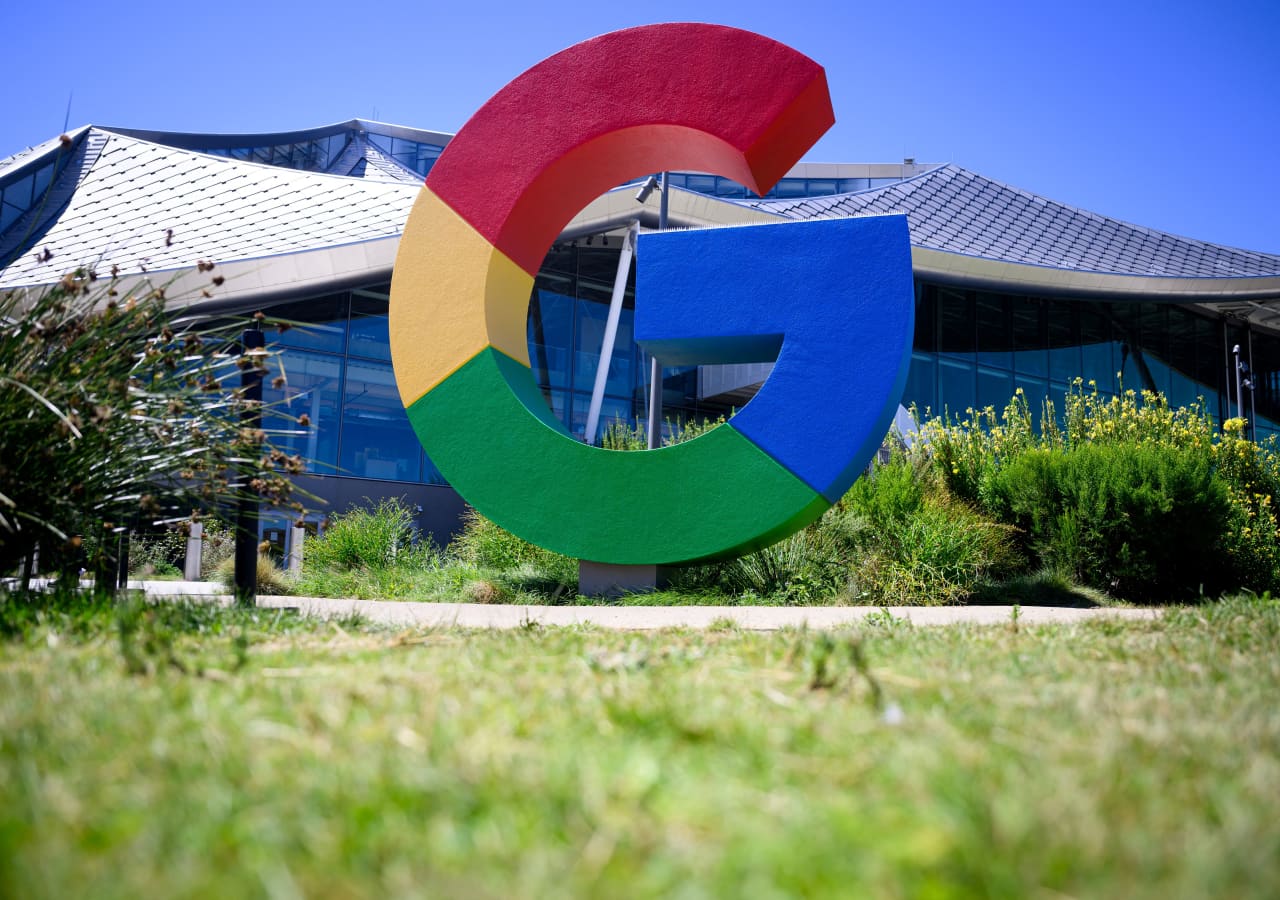
Google is looking deep underground for the electricity its AI ambitions will require. The company has struck an agreement with Quaise, a geothermal startup developing a drilling method that uses high-power millimeter waves to melt and vaporize rock instead of grinding through it with conventional drill bits.
The appeal is easy to see. Data centers running large AI models draw enormous amounts of power around the clock, and technology companies have been searching for sources that can deliver steady output without the swings of wind and solar. Geothermal fits that need because it runs regardless of the weather, but it has been held back by how expensive and slow it is to drill down to the hot rock needed to generate power. Quaise argues that faster, deeper boreholes could bring geothermal to many more locations.
That same promise is what makes the deal a gamble. An analyst at Bernstein described the agreement as a bet on a first-of-a-kind technology, and the phrase captures the risk. Drilling systems like this have to prove themselves at commercial scale, in real geology, and on timelines that match data center construction. A technical setback or a slow rollout would leave Google waiting on a power source that is not yet proven at the size it needs.
The move also fits a broader push by Google to secure firm, low-carbon electricity for its operations, a push that has included deals across several clean energy sources. For investors watching the energy side of the AI boom, the Quaise agreement is a reminder that the limits on AI growth may depend as much on power supply as on chips. Whether rock-melting drills can deliver on that promise is a question the market will take years to answer.
Reporting based on an external source.