 Financetoday
Helping Adult Children at 68: When Generosity Starts to Strain Retirement
Personal Finance·October 9, 2026
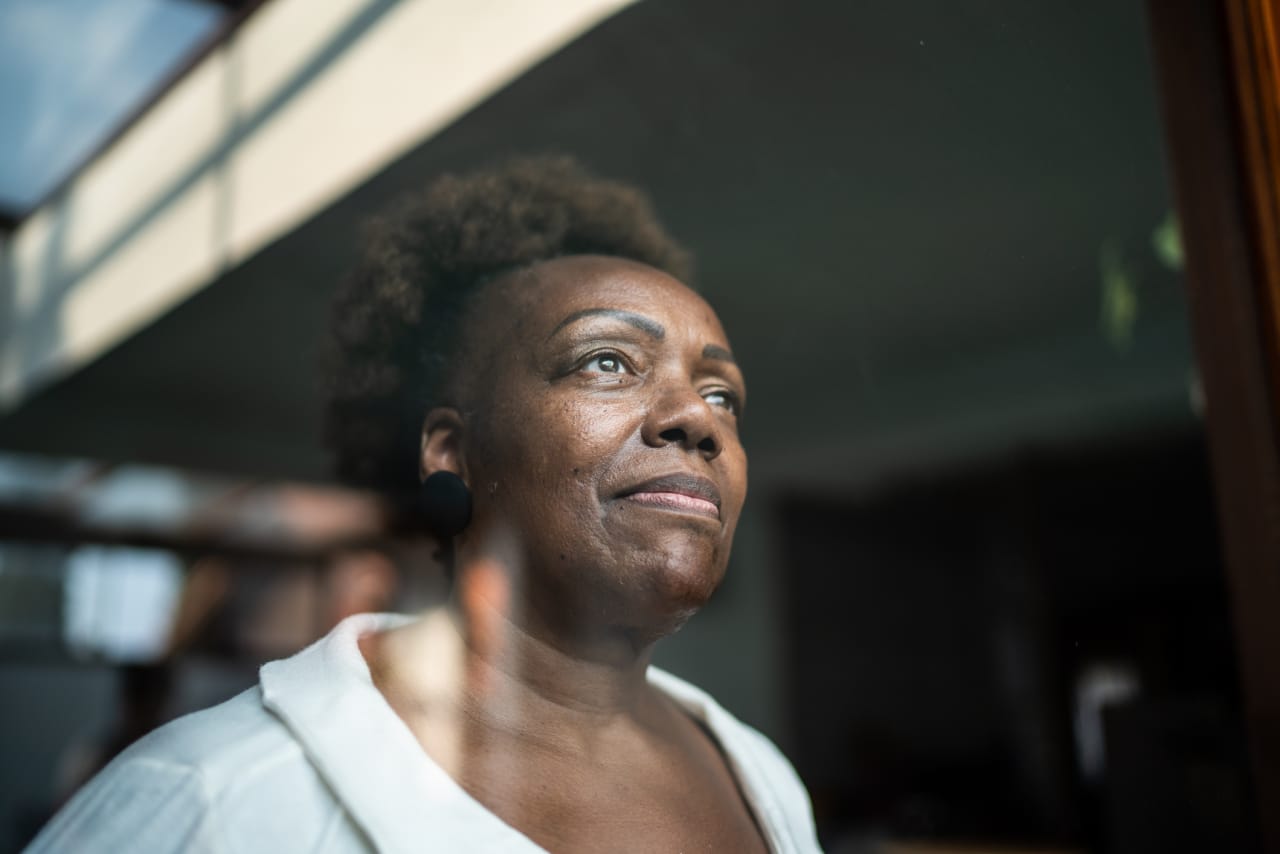
A 68-year-old widow who regularly gives money to her two adult children has asked whether that generosity could leave her own retirement exposed. Her finances have some real strengths: the house is paid off, she holds $310,000 in an individual retirement account, and she has $46,000 in savings. Whether that is enough depends less on the total than on how quickly it is being drawn down and how many years it must cover.
Planners usually begin with a simple question: can the portfolio support her living costs for another two or three decades? A common rule of thumb suggests withdrawing about 4 percent of a balance in the first year and adjusting for inflation after that. On $310,000, that comes to roughly $12,400 a year before taxes, since traditional IRA withdrawals are taxed as ordinary income. That is a workable stream, but it leaves little room. Every gift that comes out of the same pool reduces the principal and the future growth that principal would have produced. Required minimum distributions will also eventually force withdrawals whether she needs the money or not, which can complicate a plan built around gifting.
The gifts are not the only pressure point. A $46,000 cash reserve covers a few years of modest expenses for many households, but it can disappear quickly after a major medical bill, a roof replacement or a car repair. Widowhood adds its own complications. A single income has to absorb shocks that used to be shared, and healthcare and long-term care costs tend to rise with age. A planner would also check whether she is receiving survivor benefits from Social Security or any pension tied to her late spouse, because those income sources can change the math considerably.
The most useful step is to put a number on the giving. Open-ended help is hard to measure and easy to expand over time, while a fixed annual amount can be budgeted like any other expense. Federal gift rules allow a set amount per recipient each year without triggering a gift tax filing, and the figure has been $19,000 in recent years. Larger gifts may require a return even when no tax is owed. Loans can be a middle path, but they should be documented in writing, with a repayment schedule, so that expectations are clear on both sides.
Before deciding how much to give, she would do well to build a monthly budget for her own needs, estimate her healthcare and long-term care exposure, and consider sitting down with a fee-only financial planner who can run projections under different spending levels. Helping adult children is not inherently a threat to retirement. The risk comes from giving without knowing what the giving costs.
Reporting based on an external source.