 Financetoday
How a Middle East War Could Reshape Social Security's Future
Retirement·November 7, 2026
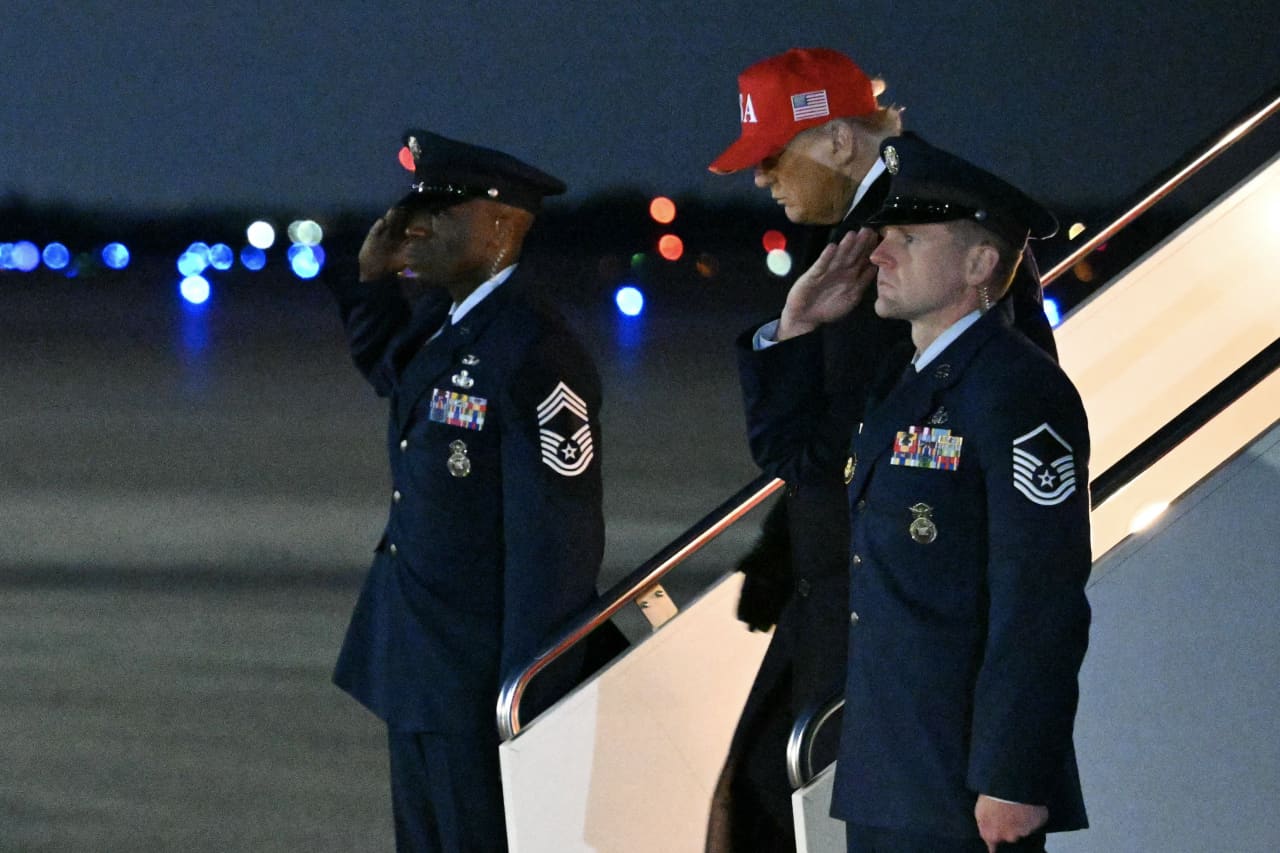
The Iran war has been covered mainly as a foreign policy story, but a new analysis argues its consequences will reach Social Security, the program millions of Americans count on for retirement income. The source piece calls the impact a mathematical certainty. The logic behind that claim is worth spelling out.
Social Security is paid for mainly by payroll taxes on current workers, with trust fund reserves covering the gap when those taxes fall short of benefits. Its long-term health depends on a handful of moving parts: wage growth, employment, inflation, and the interest the trust funds earn on government bonds. A prolonged military conflict can move several of these at once. Energy prices tend to climb during Middle East crises, feeding inflation, and inflation drives the cost-of-living adjustments that benefits are tied to. Higher interest rates raise the price of government borrowing, and war spending pulls federal dollars toward defense and away from other priorities.
None of this means the program faces a sudden break. The size and timing of any shortfall still depend on how long the conflict lasts and how Washington responds. The central point is that retirement policy rarely exists in a vacuum. Events far from home can reshape the debate over benefits, payroll taxes and the retirement age.
Readers should treat the claim as one analyst's framing rather than a settled projection. The underlying figures and assumptions will determine whether the war's effect on Social Security turns out to be modest or substantial.
Reporting based on an external source.