 Financetoday
Is 3.75% Enough? How a Church Should Weigh a $1.5 Million Gift
Investing·October 29, 2026
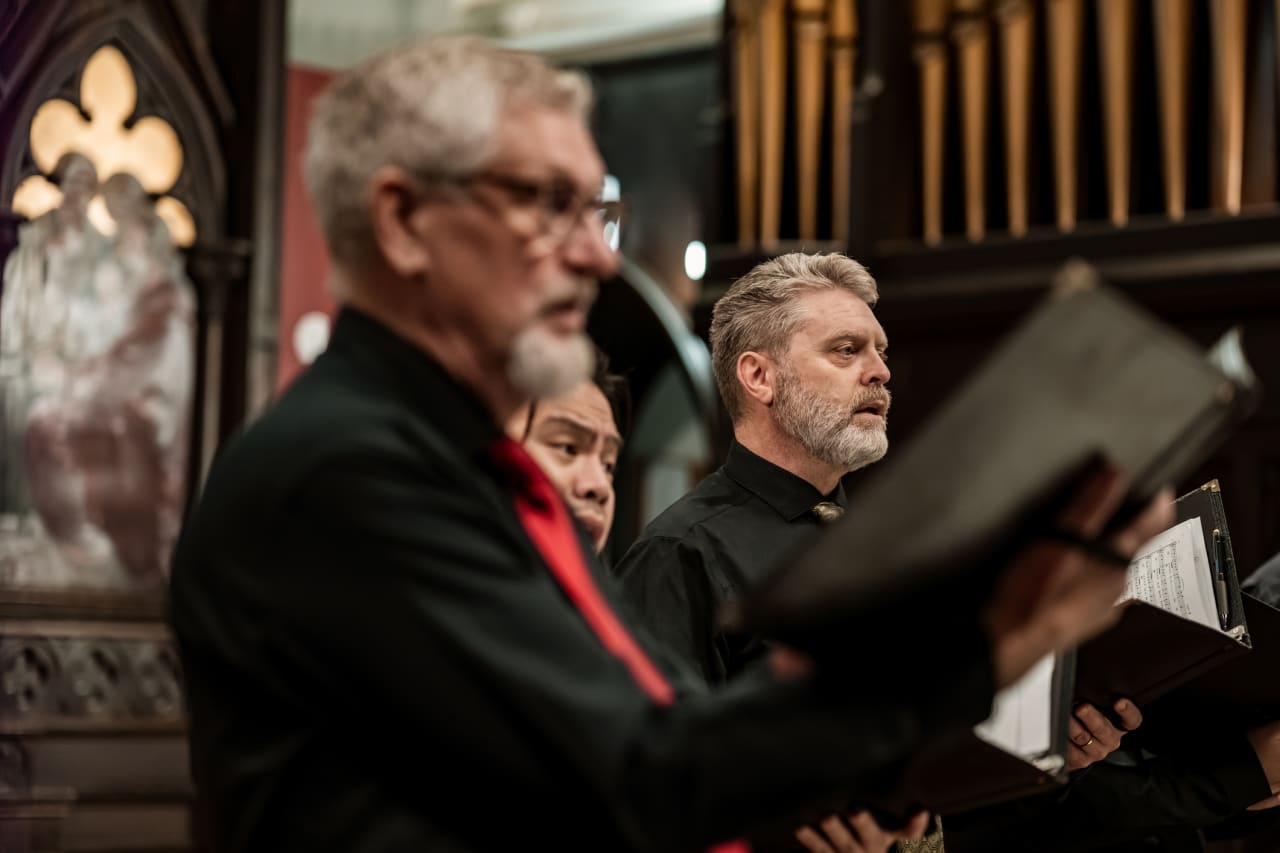
A large, unexpected gift can be a blessing and a headache at the same time. When a parishioner recently left a church $1.5 million, the congregation's leaders said the size and long-term nature of the money meant it had to be handled carefully. Their question was simple to state and harder to answer: is a 3.75% interest rate enough, or is there a better place for the funds?
Start with the arithmetic. At 3.75%, $1.5 million would produce about $56,250 a year before fees and taxes. That is a meaningful sum for a congregation. But the figure is a nominal number, and inflation shrinks it. If prices rise around 3% a year, the real return on that rate is less than one percent, and every withdrawal eats into the principal. A rate that looks generous on a statement can fall short once the cost of living is factored in.
The right yardstick depends on the job the money has to do. Funds earmarked for a roof replacement next year need certainty and easy access, so a high-yield account or short-term Treasury bills may be the sensible choice even if the return is modest. Money meant to support ministries, staff, or outreach for decades has a different purpose. Over long stretches, a mix that includes stocks has historically outpaced inflation, though it can drop sharply in a bad year. There is also a practical limit to keep in mind. FDIC deposit insurance covers $250,000 per depositor, per bank, per ownership category, so a $1.5 million balance parked in one account would be largely uninsured.
Most financial advisers would urge the congregation to write down its goals before choosing a product. A written investment policy, approved by the governing board, can set a target return, an acceptable level of risk, and a spending rule. Many endowments aim to withdraw roughly 4% to 5% a year, averaged over several years, which lets the fund pay out steadily while still growing. Fees deserve a close look, because a difference of half a percentage point compounds into a large amount over two decades. Advice from a fee-only fiduciary adviser, who is obligated to put the client's interests first, can help the board compare options.
So is 3.75% enough? On its own, the rate tells the church very little. It may be exactly right for money needed soon and too cautious for money meant to last generations. The more useful question is whether the investment matches the timeline, the spending needs, and the donor's wishes, which may include conditions on how the gift can be used.
Reporting based on an external source.