 Financetoday
Is Social Security a Ponzi Scheme? Why the Label Doesn't Fit
Personal Finance·November 19, 2026
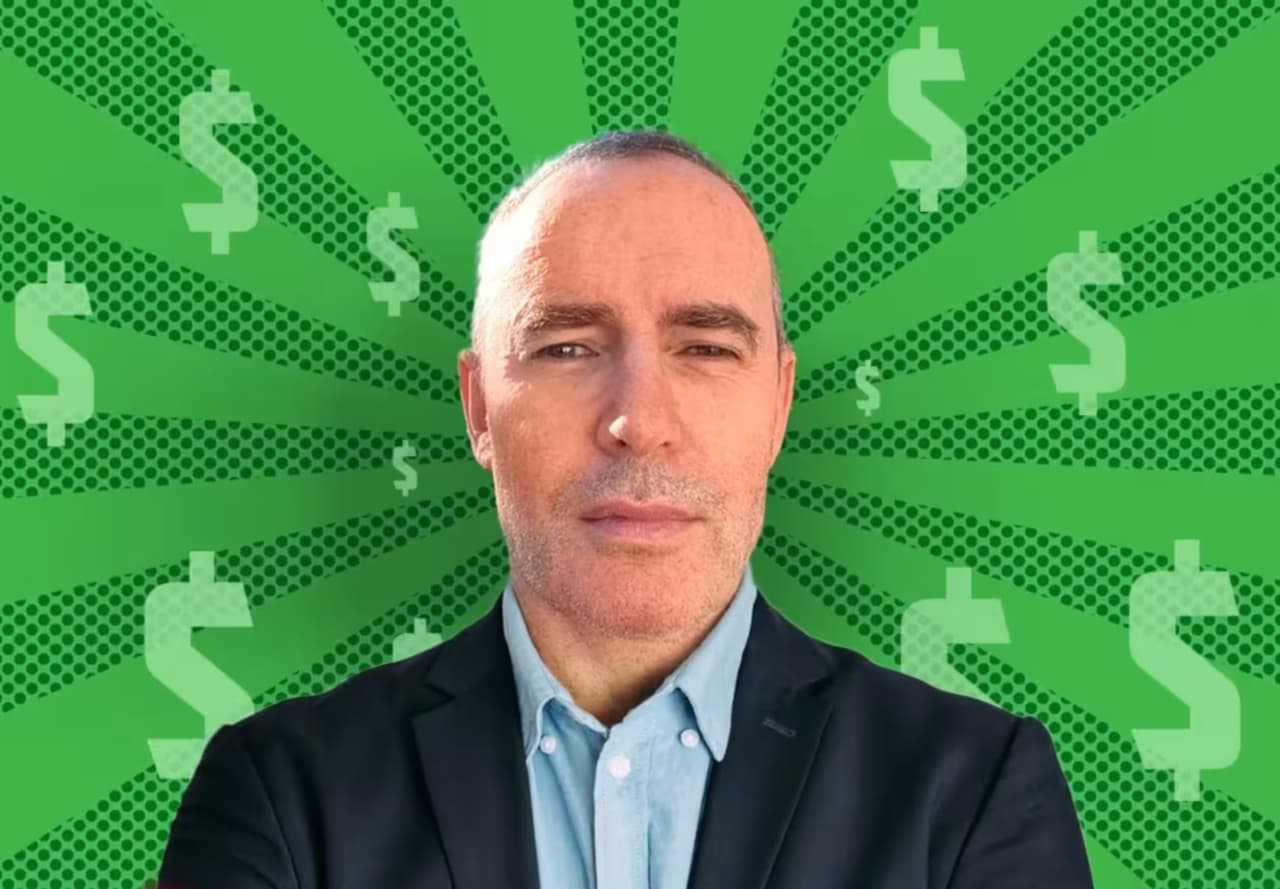
Wisconsin Republican Sen. Ron Johnson has called Social Security a "scam" and urged lawmakers to shut it down, a position that has revived an old comparison: that the program is really a Ponzi scheme, paying today's retirees with money from today's workers until the money runs out.
The comparison is emotionally sticky, but it falls apart on the details. A Ponzi scheme is built on deception. It promises returns that its operator cannot produce, hides the fact that no real income is being generated, and collapses once new money dries up. Social Security is a pay-as-you-go system created by law, funded by a dedicated payroll tax, and its rules, benefit formulas and financing are published every year in a public report from the Social Security and Medicare Trustees. Nobody is being misled about what the program is or how it works.
The real debate is about arithmetic, not fraud. Because benefits today are paid mostly from current payroll taxes, the system depends on the ratio of workers to retirees. That ratio has been falling for decades as birth rates decline and people live longer. The trust fund reserves built up in earlier years are projected to be drawn down in the early 2030s under the most recent trustees' estimates. At that point, incoming taxes would cover roughly three-quarters to four-fifths of scheduled benefits unless Congress acts. That shortfall is serious, and it is the reason policymakers across both parties keep discussing tax increases, benefit changes or a mix of both.
Critics like Johnson argue that the program should be replaced or wound down. Supporters respond that the fix is more ordinary: adjusting the payroll tax cap, raising the retirement age, changing benefit formulas or drawing on other revenue. Those are policy choices that voters and lawmakers can debate openly, and they have been changed before, most notably in 1983.
For individual savers, the practical takeaway is that Social Security is best treated as one part of retirement income rather than a guaranteed full paycheck. Whatever happens in Congress, the program's future will depend on legislation, not on a collapse that happens overnight, which is exactly what separates it from a Ponzi scheme.
Reporting based on an external source.