 Financetoday
Midterm Votes Could Move Your Gas Bill and Your Tax Bill
Personal Finance·October 26, 2026
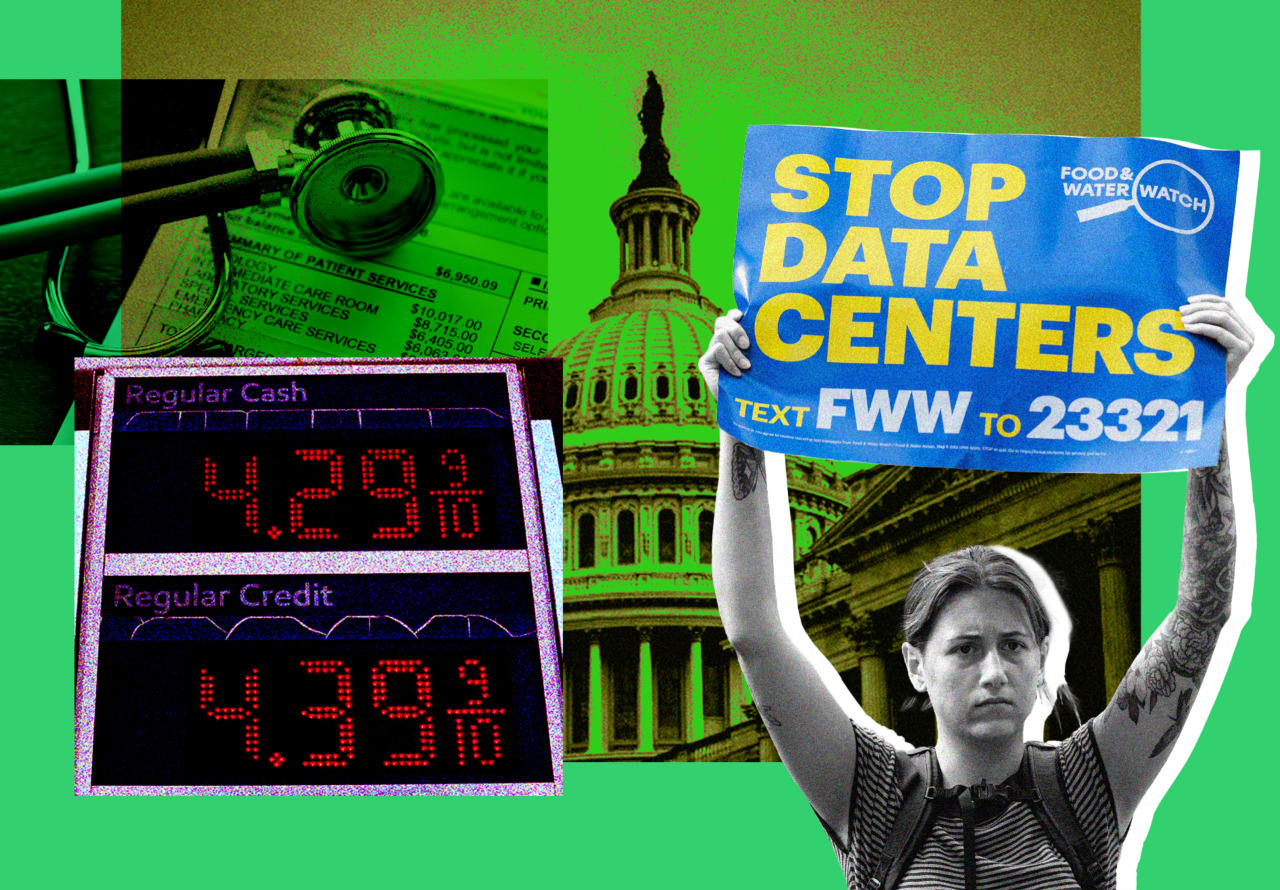
Americans will not be choosing a president on November 3, but the midterm elections that day still carry real consequences for household budgets. Who controls Congress and many state capitols will shape the rules on gasoline, energy and taxes, and voters are being urged to look past the national headlines to the issues that touch their wallets.
The core logic is simple. Congress writes federal tax law and has a strong hand in energy policy, so the party that holds the House and Senate after the vote will decide which proposals advance and which stall. A shift in control can change the odds of a tax overhaul, new rules for oil and gas production, or spending decisions that feed back into prices over time.
Fuel is the most visible link. Gasoline prices respond to global crude markets and refinery capacity, but federal and state policy on drilling, fuel standards and taxes also plays a role. Governors and state legislatures set their own fuel excise taxes, which means a midterm ballot can matter at the state level as much as in Washington.
Taxes are the other major thread. Federal rates, deductions and credits are frequently debated in the run-up to an election, and the outcome can determine whether certain provisions are extended, expanded or allowed to lapse. Families with children, homeowners and people who rely on energy-related credits may feel those changes first.
Voters who want to see how each race lines up with these issues should compare candidates' positions on taxes and energy directly. Midterm results rarely move prices overnight, but they set the agenda for the next two years of decisions that affect what people pay.
Reporting based on an external source.