 Financetoday
Musk's Fortune Tops $1 Trillion, Outsizing Entire National Economies
Billionaires·October 6, 2026
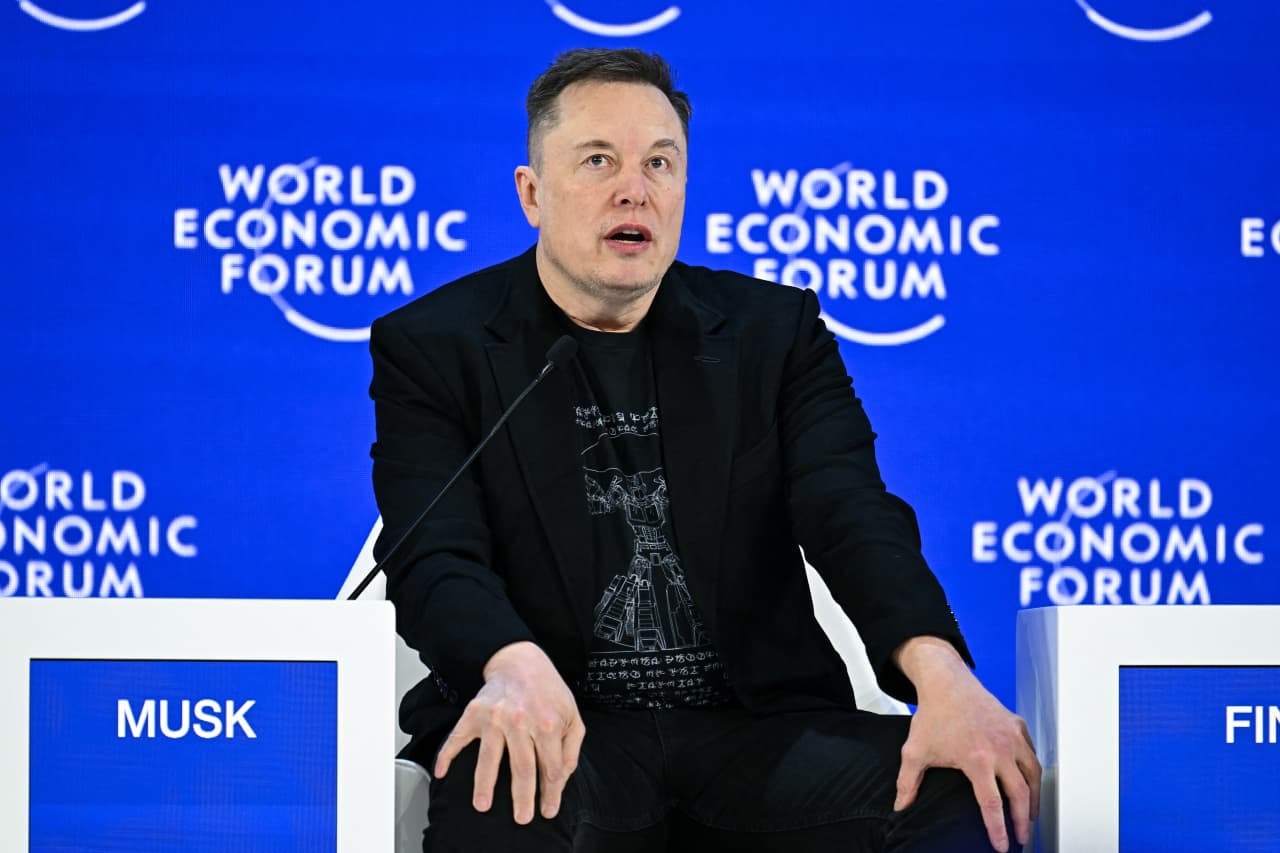
Elon Musk's personal wealth has crossed $1 trillion, a threshold no individual has reached before. The figure is large enough that it now sits above the annual gross domestic product of a number of well-developed countries, turning a billionaire ranking into a comparison with national balance sheets.
The comparison needs a caveat. Net worth and GDP measure different things. GDP counts the value of goods and services a country produces in a year, while net worth is a stock of assets, in Musk's case mostly shares in companies such as Tesla and SpaceX. Putting them side by side is a striking illustration, but it is not an apples-to-apples measure of economic power.
Even so, the scale is hard to ignore. Depending on the estimate used, a fortune of $1 trillion puts Musk ahead of the annual output of economies such as Poland and Ireland, both of which are members of the European Union and home to tens of millions of people and thousands of businesses. A single person's holdings, in other words, now rival what an entire advanced economy produces over twelve months.
Most of that wealth is not cash. It is tied up in equity, and its value moves with share prices and private-market valuations. A sharp fall in Tesla stock or a lower valuation for SpaceX could erase hundreds of billions of dollars on paper in a short time. That volatility is a defining feature of fortunes built on founder stakes, and it means the $1 trillion figure is a snapshot rather than a permanent level.
The milestone also revives familiar debates. Supporters point to the value created by the companies he leads, in electric vehicles, rocket launches, satellite internet and artificial intelligence. Critics argue that such concentrated wealth gives one person outsized influence over markets, policy and public conversation, and they point to it as evidence for stronger taxation of large fortunes.
For investors, the number is a reminder of how much of the market's value rests on a handful of companies and the people who control them. Whether the fortune holds, grows or shrinks will depend largely on how those companies perform, and on how willing markets are to keep paying a premium for the future Musk has promised.
Reporting based on an external source.