 Financetoday
Nvidia Can't Afford to Lose Jensen Huang, So It Needs to Build Beyond Him
Opinion·November 11, 2026
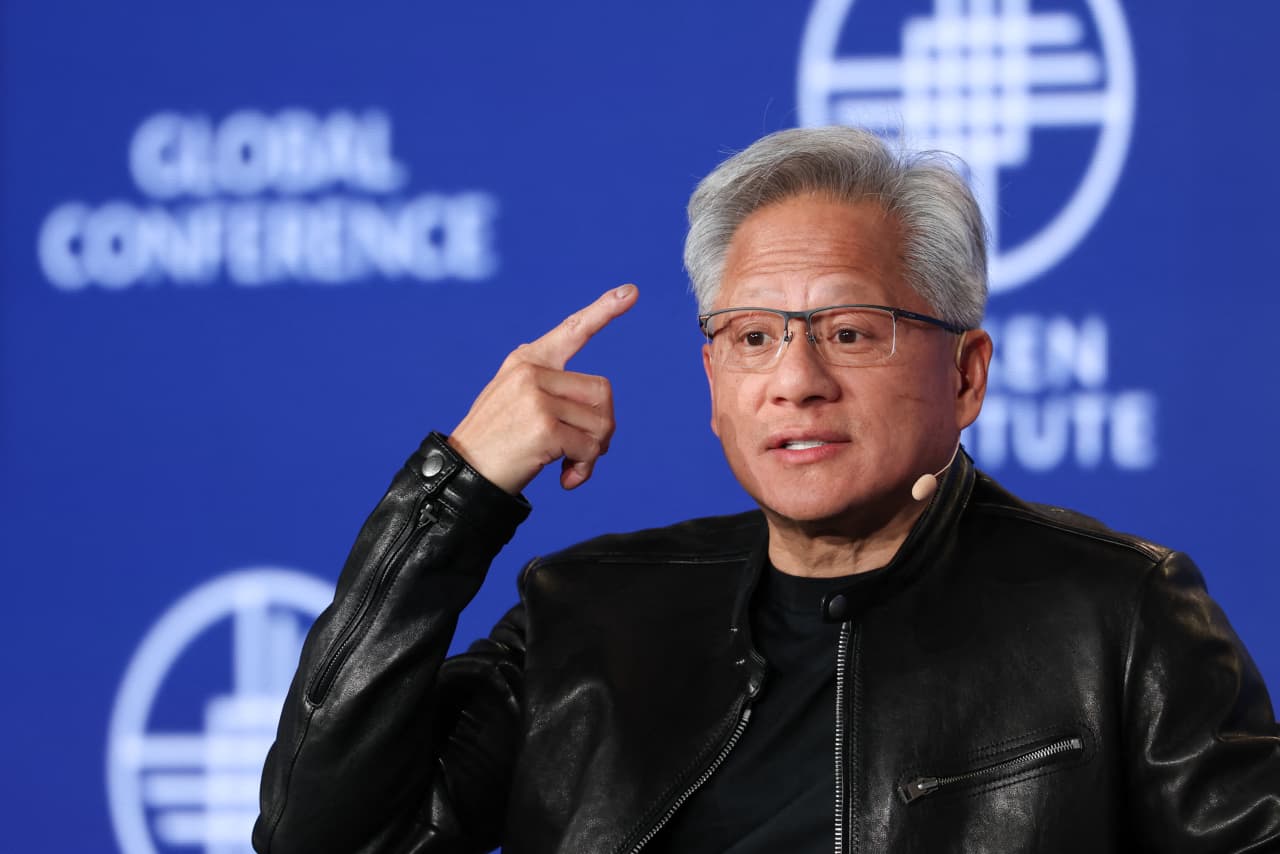
Few corporate leaders are as closely tied to their company's identity as Jensen Huang is to Nvidia. He has led the chipmaker since co-founding it in 1993, and under his direction it grew from a supplier of graphics cards for gamers into one of the most valuable companies in the world, with its processors now at the center of AI data centers. That record is the strongest argument for keeping him. Replacing a founder who has shaped both the company's strategy and its culture would be disruptive at a time when demand for its products is high and rivals are working hard to catch up.
The case for change is not really about Huang's competence. It is about whether the company's structure can function without him. When one person carries so much of the vision, the customer relationships, and the final say on major decisions, the business takes on a key-person risk that shareholders should not treat as normal. A strong leader is not a substitute for a strong institution, and right now the institution looks thinner than the company's size and influence would suggest.
What would a sturdier setup look like? Governance specialists tend to point to a few concrete steps: a written succession plan that the board reviews on a regular schedule, a lead independent director with real authority, a deeper bench of executives who are known to investors and major customers, and board committees that challenge management instead of simply approving its proposals. None of these requires Huang to step aside. They mean the company does not depend on a single person's health, attention, or continued willingness to lead.
There is also a reputational reason to act. As Nvidia becomes more central to the broader technology economy, investors, large customers, and regulators are likely to expect the kind of governance associated with critical infrastructure. A company that many others rely on for computing power cannot be run as though it were a founder's private project, however widely that founder is admired.
The message for Nvidia's board, then, is not to move its chief executive aside. It is to build around him. Keeping Huang is a sensible bet. Making sure Nvidia could keep operating well if he were ever unavailable is the work the board has not yet finished.
Reporting based on an external source.