 Financetoday
Nvidia Holds Back Quarterly Report, Adding Weight to Huang's Exit
Corporate Governance·November 18, 2026
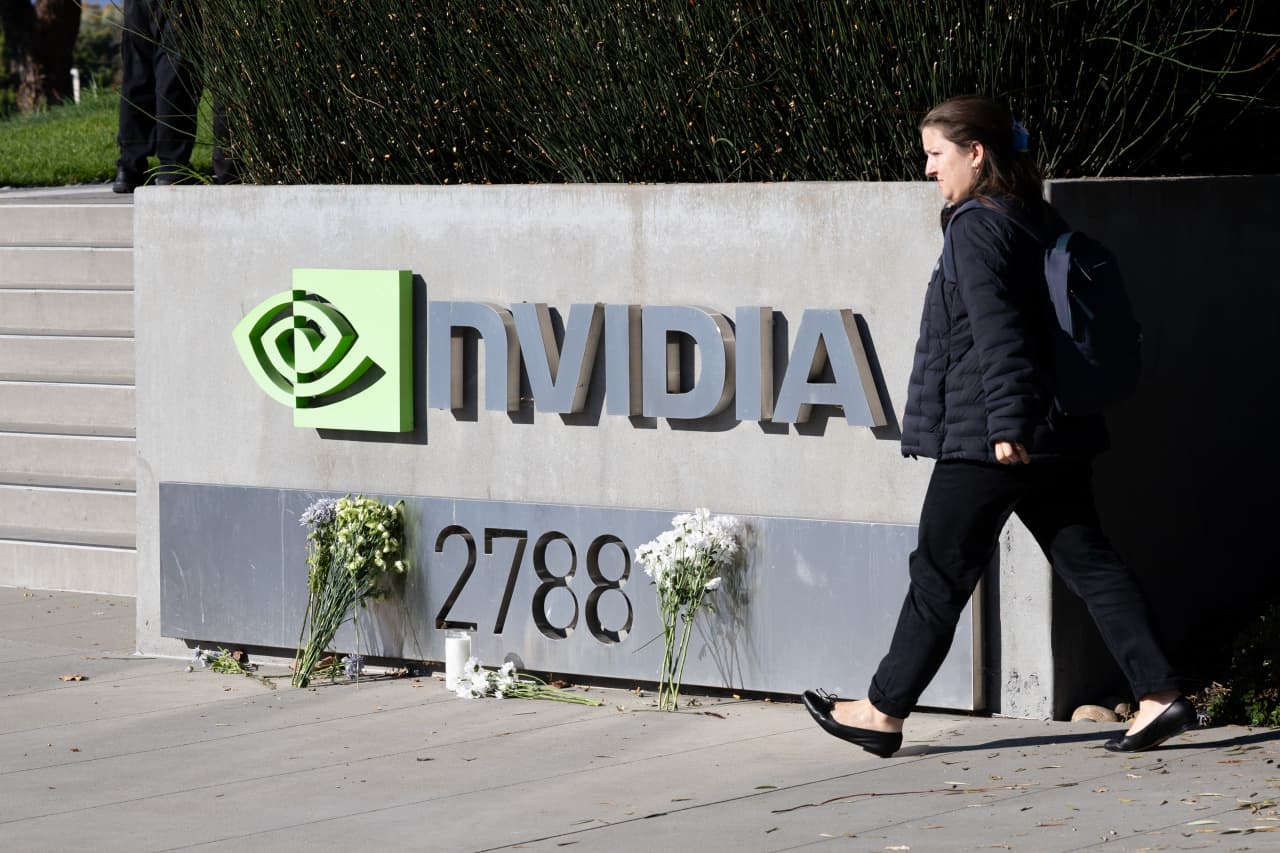
Nvidia has departed from one of its routine corporate habits by not filing its quarterly 10-Q report with the Securities and Exchange Commission. The filing is how public companies lay out unaudited financial results, management's discussion of the quarter and the risks they face between annual reports. Nvidia has generally kept to a predictable schedule, so a missing report stands out, especially while investors are already focused on the company's leadership.
According to the source report, the decision is also the first official signal from Nvidia that Jensen Huang's resignation has more to do with personal conduct than with the company's business. The reporting points to the filing decision itself as that signal, rather than to a detailed explanation from the company. Investors who want specifics will have to wait for the company to say more.
The stakes are high because Nvidia is one of the most closely watched companies in the market, and its chips sit at the center of the artificial intelligence buildout. Huang co-founded the company in 1993 and has been its public face for more than three decades. A change at the top raises questions about succession and governance, and a delayed quarterly report makes those questions harder to answer with the usual numbers.
Timing matters here. Companies that miss a periodic filing deadline can face exchange notices and regulatory questions, and a late or unexplained report can unsettle shareholders and analysts. The next signals to watch are whether Nvidia files its 10-Q on time, whether it issues a statement on the reason for the delay, and whether it names a successor or interim leadership. Until then, the missing filing is the most concrete fact on the record.
Reporting based on an external source.