 Financetoday
Nvidia's Megaspeed Ties Expose Gaps in U.S. Chip Export Curbs
Export Controls·October 31, 2026
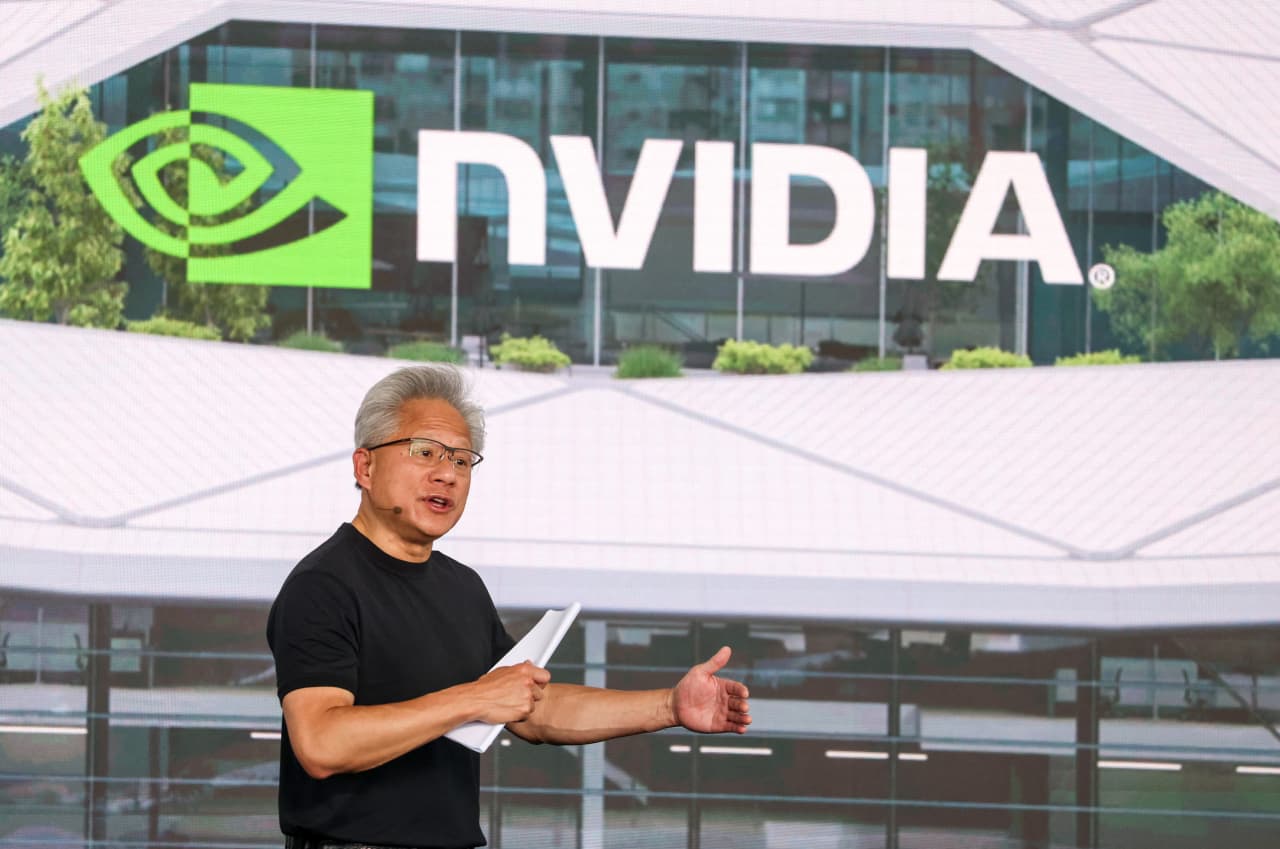
Nvidia's dealings with a company called Megaspeed have drawn attention to a weak point in Washington's effort to keep the most advanced artificial intelligence chips out of Chinese hands. The episode points to a gap that policy analysts say is hard to close: the rules were largely built around physical shipments of hardware, while much of the computing power that companies rent today is delivered over the cloud.
The story also shows how routine these sales relationships can look. According to the reporting, business meetings led by Nvidia chief executive Jensen Huang are standard practice for the company. That ordinariness is part of the problem. Normal commercial contact is difficult to tell apart from an arrangement that could end with restricted hardware reaching a buyer the government wants to block.
Experts quoted in the reporting say existing U.S. export controls largely miss cloud services. A customer that cannot buy a restricted chip outright may still be able to use comparable computing capacity through a remote provider, and current rules do little to address that route. Closing it would likely require clearer definitions of what counts as an export, along with tighter oversight of who is using the hardware and not only where it is located.
For Nvidia, the stakes are commercial as well as political. The company is the dominant supplier of chips used to train large AI models, so any tightening that reaches cloud access could affect demand from customers in many countries. For regulators, the question is whether the current framework can keep pace with how the chips are actually used. Until that is settled, the gap between what the controls cover and how the market operates is likely to remain a source of pressure on both companies and policymakers.
Reporting based on an external source.