 Financetoday
Paxton Says Tax Cuts Will Squeeze Social Security and Medicare. Here's the Budget Logic.
Tax Policy·October 11, 2026
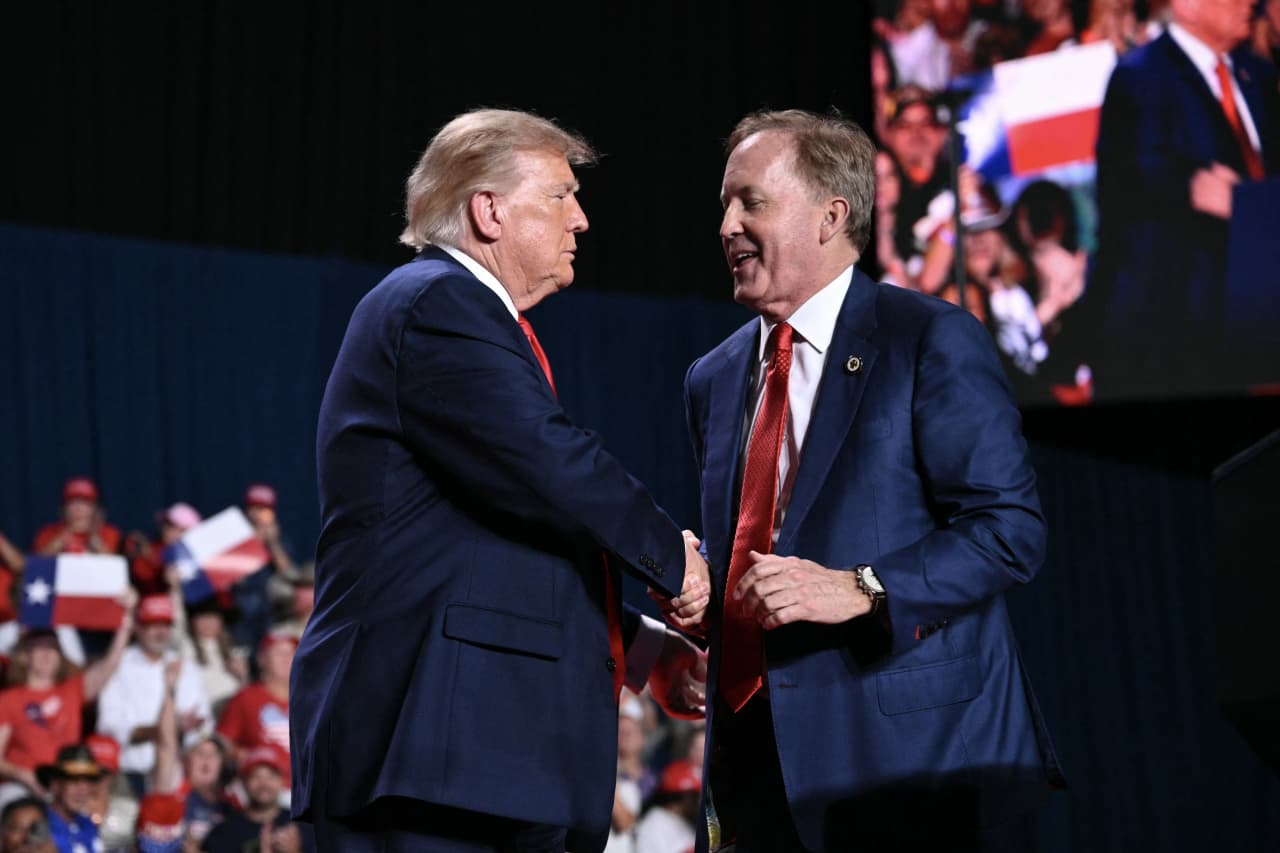
Texas Attorney General Ken Paxton has argued that tax cuts will eventually mean cuts to Social Security and Medicare. In an opinion piece, the argument is framed as arithmetic rather than partisanship: when the government collects less money, it has fewer dollars to pay promised benefits unless it borrows more, raises revenue another way, or trims spending.
The claim rests on how the two programs are financed. Social Security is funded mainly by payroll taxes paid by workers and employers, which flow into trust funds that pay retirement, disability and survivor benefits. Taxes on a portion of benefits also feed those trust funds. Medicare is split across several accounts. Part A, the hospital insurance portion, draws largely on payroll taxes and a share of income taxes on benefits. Parts B and D are financed mostly from general federal revenue and premiums, which means they depend directly on the overall budget.
That structure is why critics of tax cuts raise concerns about the programs. Reducing taxes that feed the trust funds shortens their runway, and reducing general revenue makes it harder to cover Medicare's non-payroll costs without added borrowing. Trustees' reports for both programs have repeatedly warned that, without changes, the main Social Security retirement trust fund would be unable to pay full scheduled benefits within the next decade or so, after which incoming taxes would cover only part of what is owed.
Supporters of tax cuts reject the premise that they automatically lead to benefit reductions. They argue that faster economic growth can broaden the tax base, that spending decisions are separate from tax policy, and that lawmakers have historically adjusted both sides of the ledger. They also point out that the programs' long-term shortfalls predate most recent tax changes, which means the problem would exist even without them.
Economists generally agree on the basic budget identity: revenue, spending and borrowing must balance over time. Where they disagree is on how much growth a tax cut generates, how much it adds to deficits, and how Congress would respond. Those answers determine whether a tax cut is a minor pressure point or a direct path to benefit reductions.
Paxton's argument is pointed because it asks voters to set aside party labels and look at the numbers. Whether one agrees with his conclusion or not, the underlying question is the same for both parties: if revenue falls, which commitments are protected, and how are they paid for?
Reporting based on an external source.