 Financetoday
Planning for Memory Care Before the Crisis Hits
Long-Term Care·November 13, 2026
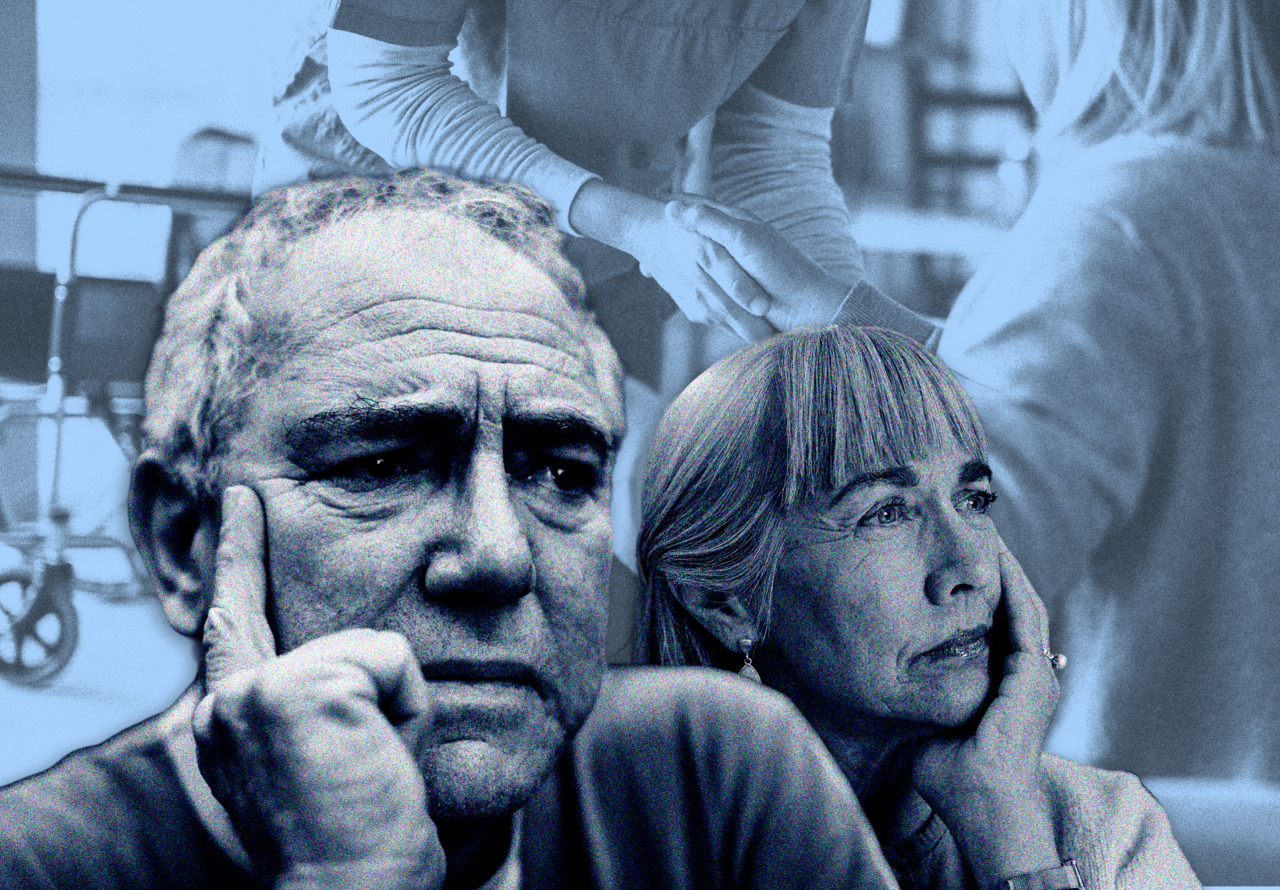
A dementia diagnosis in a spouse who is 69 and otherwise healthy can feel like a contradiction. Many people in that position are less worried about the illness today than about a harder question: what happens if the partner with dementia is still here after the healthy one is gone? That question deserves a plan now, while there are still choices to make.
Start with the legal paperwork. Each partner should have a durable power of attorney for finances and a health care proxy, along with an advance directive that spells out treatment preferences. Dementia can erode the ability to sign these documents, so doing it early matters. An elder law attorney can also check whether the will, beneficiary designations and property titles work together the way the couple expects.
Next, look at the money honestly. Memory care is expensive, and it is often not covered the way people assume. Medicare generally does not pay for long-term custodial care, the daily help with bathing, dressing and supervision that dementia usually requires. Medicaid can pay, but it has strict income and asset limits and a look-back period on asset transfers, so giving money away to qualify can backfire. Long-term care insurance is cheapest when bought in one's 50s or early 60s, and after a dementia diagnosis it is usually difficult or impossible to obtain. A fee-only financial planner who works with elder care cases can model how long savings would last under different care scenarios.
Know the care options. Care at home with paid aides can work for a while, but it becomes costly as needs grow. Assisted living suits people who need help with daily tasks but not constant nursing. Memory care units are built for dementia, with secured areas, staff trained in the disease and routines that reduce confusion. Skilled nursing facilities serve more intensive medical needs. Visiting several places before a crisis forces a decision usually produces a far better result than choosing under pressure from a hospital discharge planner.
Do not overlook the healthy partner. The person who is likely to be the sole survivor is often the one carrying the caregiving load, and caregiver burnout is common and serious. Planning should include support now: respite care, a caregiver support group, attention to their own health, and a candid conversation about what they want for themselves if they can no longer provide care. Some couples agree in advance on what level of care is acceptable and what the caregiving partner should never be asked to do.
Finally, have these conversations while the partner with dementia can still take part. Talk about values, preferences for living arrangements and what daily life should feel like. Write those wishes down. Dementia progresses unevenly, and the window for shared decisions can narrow faster than expected. Keeping documents, finances and preferences in one organized place also helps whoever steps in later, whether that is a child, a friend or a professional.
Reporting based on an external source.