 Financetoday
Private-Equity Hospices Show Higher Medicare Costs and Longer Stays
Private Equity·November 22, 2026
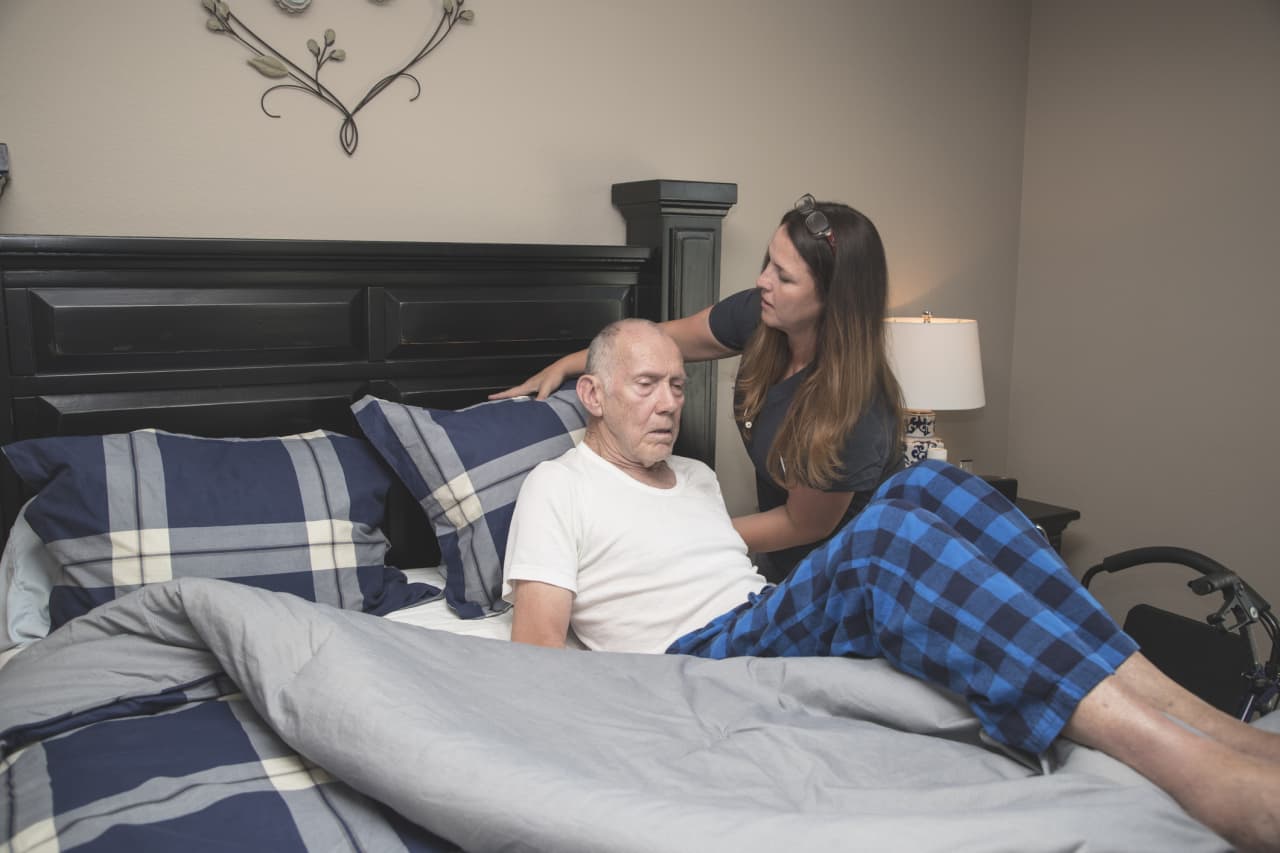
Private-equity firms have been steadily buying up hospice providers, and new research suggests the change is showing up in the numbers. According to the study, hospices owned by private-equity firms carry higher Medicare costs, and their patients stay in hospice care longer than patients at comparable providers.
The findings matter because Medicare pays for most hospice care, generally on a per-day basis for each enrolled patient. Longer stays can translate into more payments to the provider, which is why regulators and researchers watch length of stay so closely. Higher spending per patient also draws attention from policymakers, since the program is funded with public money.
The research summary does not spell out every mechanism behind the gap, and it should not be read as proof of wrongdoing. Ownership can influence many things, including admission practices, staffing levels and how aggressively a provider pursues new patients. Those are the kinds of explanations that would need to be tested directly before anyone draws firm conclusions.
The broader question is what private ownership means for patients at the end of life. Hospice is designed for people whose illness is expected to run its course within roughly six months. Stays that stretch well beyond that window could reflect patients who simply lived longer than expected, or they could point to eligibility or billing problems. Telling those two possibilities apart is the central challenge for regulators, and it is likely to shape the debate over how hospice ownership is overseen.
Reporting based on an external source.