 Financetoday
Prostate Screening Age Drops to 45 for Higher-Risk Men
Health Care·November 13, 2026
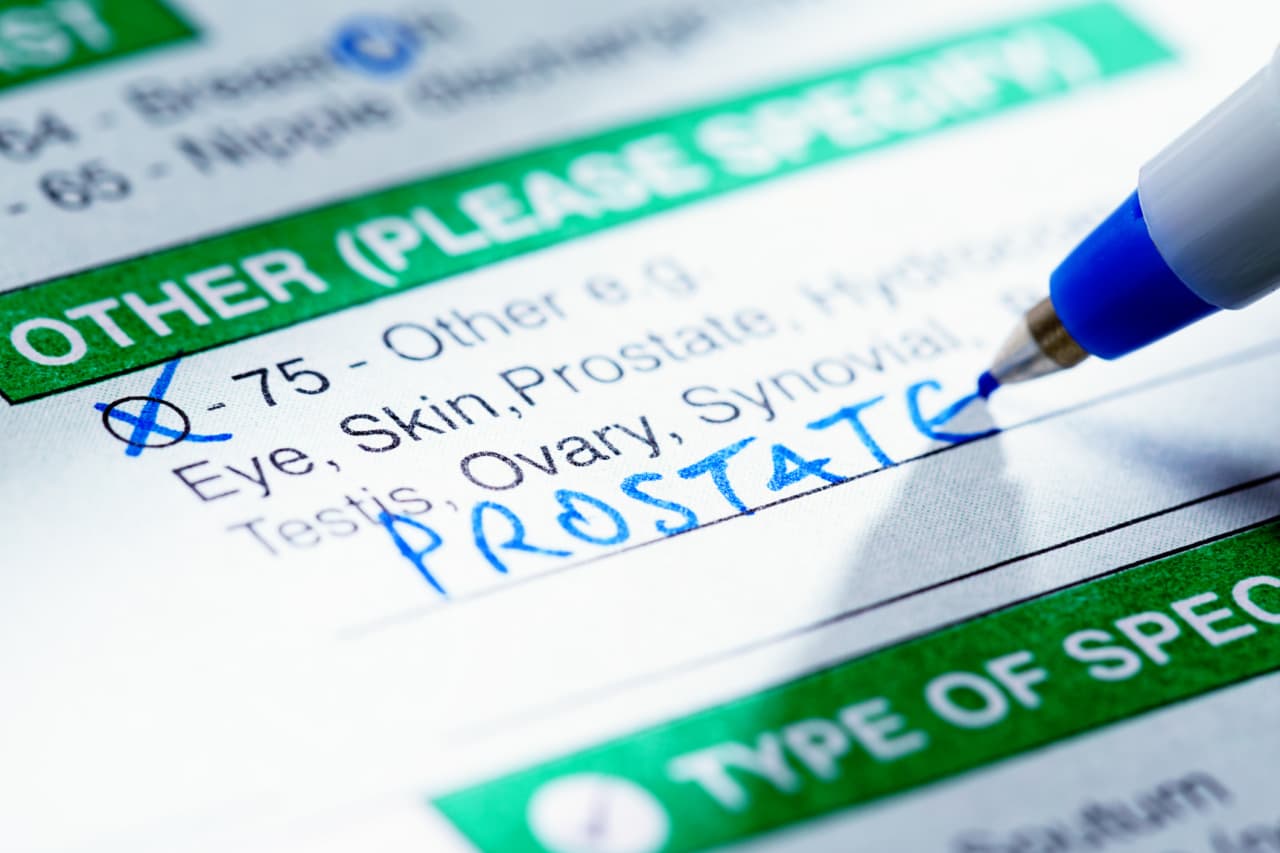
The American Cancer Society's current guidance sets 50 as the usual starting age for prostate cancer screening, meaning the first PSA blood test. Men who face a higher risk should begin earlier, at 45. The group includes Black men, who have a higher rate of prostate cancer and a higher rate of dying from it than men of other racial groups in the United States.
The PSA test measures prostate-specific antigen in the blood. A raised level can point to cancer, but it can also come from an enlarged prostate, an infection, or recent physical activity, and plenty of men with elevated readings never develop a cancer that needs treatment. That is why the test is usually a starting point for a conversation rather than a diagnosis. A follow-up result may lead to a repeat test, an MRI, or a biopsy, and each step carries its own tradeoffs.
Family history is another factor clinicians typically weigh when deciding whether a man counts as high risk, along with other personal factors a doctor may review. Men who think they might fall into that category should raise it at a checkup before turning 45, rather than waiting for a reminder from a clinic or a group of guidelines.
Insurance coverage is a practical question too. Medicare covers an annual PSA test for men 50 and older, but private plans can follow different standards. The American Cancer Society's recommendations are not the same as those of the U.S. Preventive Services Task Force, which has its own prostate screening guidance and generally favors an individual decision for men in their mid-50s and older. Before scheduling a test, it is worth checking which guideline a plan uses and what out-of-pocket costs might follow a follow-up procedure.
For most men, the takeaway is simple: know your risk, start the conversation at 50 or earlier if your risk is higher, and treat the PSA result as one input among several.
Reporting based on an external source.