 Financetoday
Republican Senator Argues Social Security Should Be Shut Down
Policy·November 22, 2026
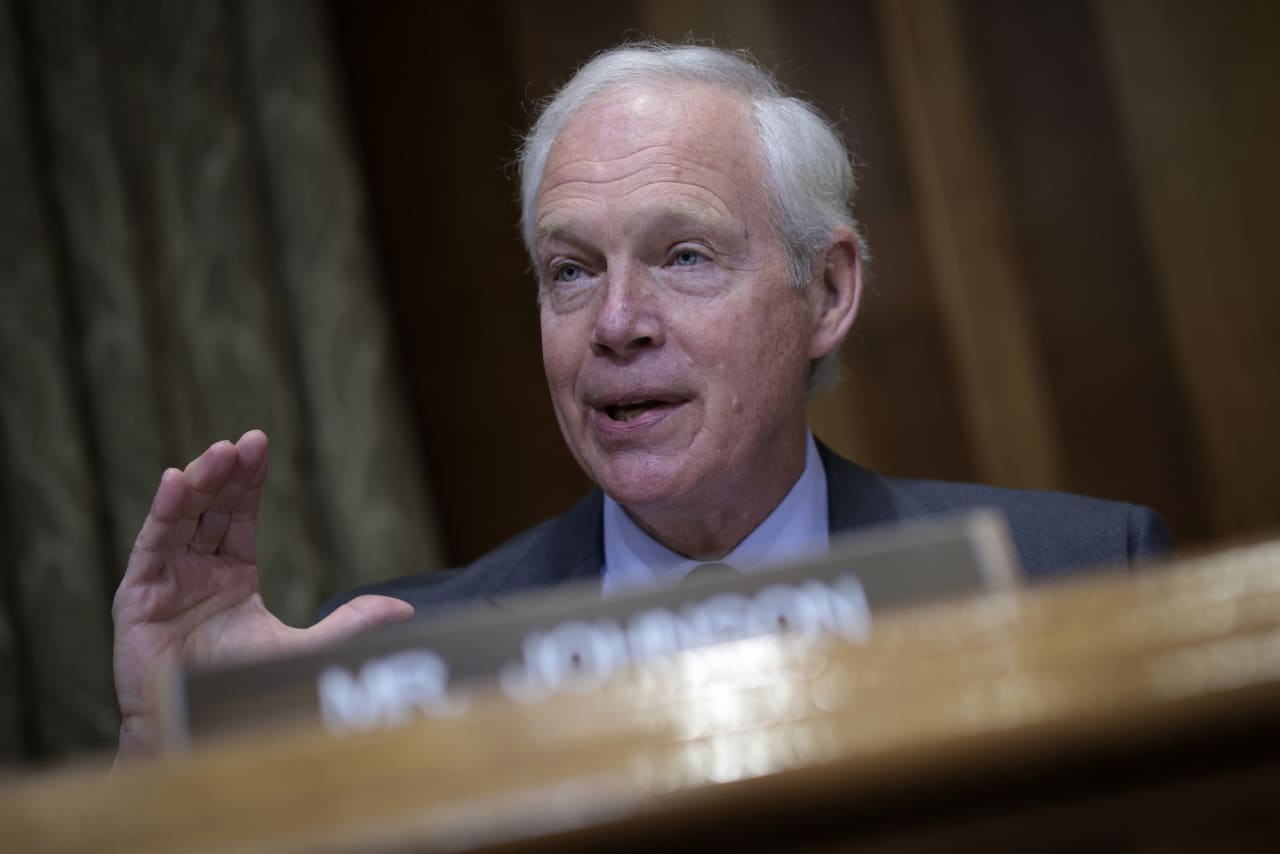
A Republican senator has publicly argued that Social Security should be shut down, a position far from the mainstream of congressional debate. Lawmakers in both parties have generally pledged to protect the program, even while they disagree sharply about how to repair its finances.
The timing gives the argument added weight. Social Security is funded mainly by payroll taxes paid by workers and employers, and any surplus is held in trust funds. When benefits cost more than the incoming taxes and interest, the reserves are drawn down. Current forecasts put the trust funds on track to be exhausted within the next six years. If nothing changes, incoming payroll taxes would still cover a large majority of scheduled benefits, but not all of them, which would mean an across-the-board cut for retirees, people with disabilities and survivors.
The source summary does not spell out how the senator would wind the program down. It does not say whether he would phase out benefits for current recipients, offer a transition period, or replace the system with private accounts or another arrangement. Those details would determine who gains and who loses, and they would be central to any serious legislative proposal.
Past efforts to address the shortfall have focused on more familiar levers, including raising or removing the cap on earnings subject to the payroll tax, adjusting the age at which full benefits are available, and changing how benefits are calculated. Any of those options requires an act of Congress, and none has gathered enough support to pass in recent years.
The program serves tens of millions of Americans, and for many older adults it is the largest source of retirement income. That is why proposals to end it, even if they go nowhere in the near term, tend to draw immediate reaction from advocacy groups, retirees and lawmakers running for office. Whether the senator's call remains a fringe position or becomes a starting point for a broader fight will depend on how much attention it receives and how his colleagues respond.
Reporting based on an external source.