 Financetoday
Social Security's Clock Puts the Midterms on the Line for Every Age Group
Retirement·October 30, 2026
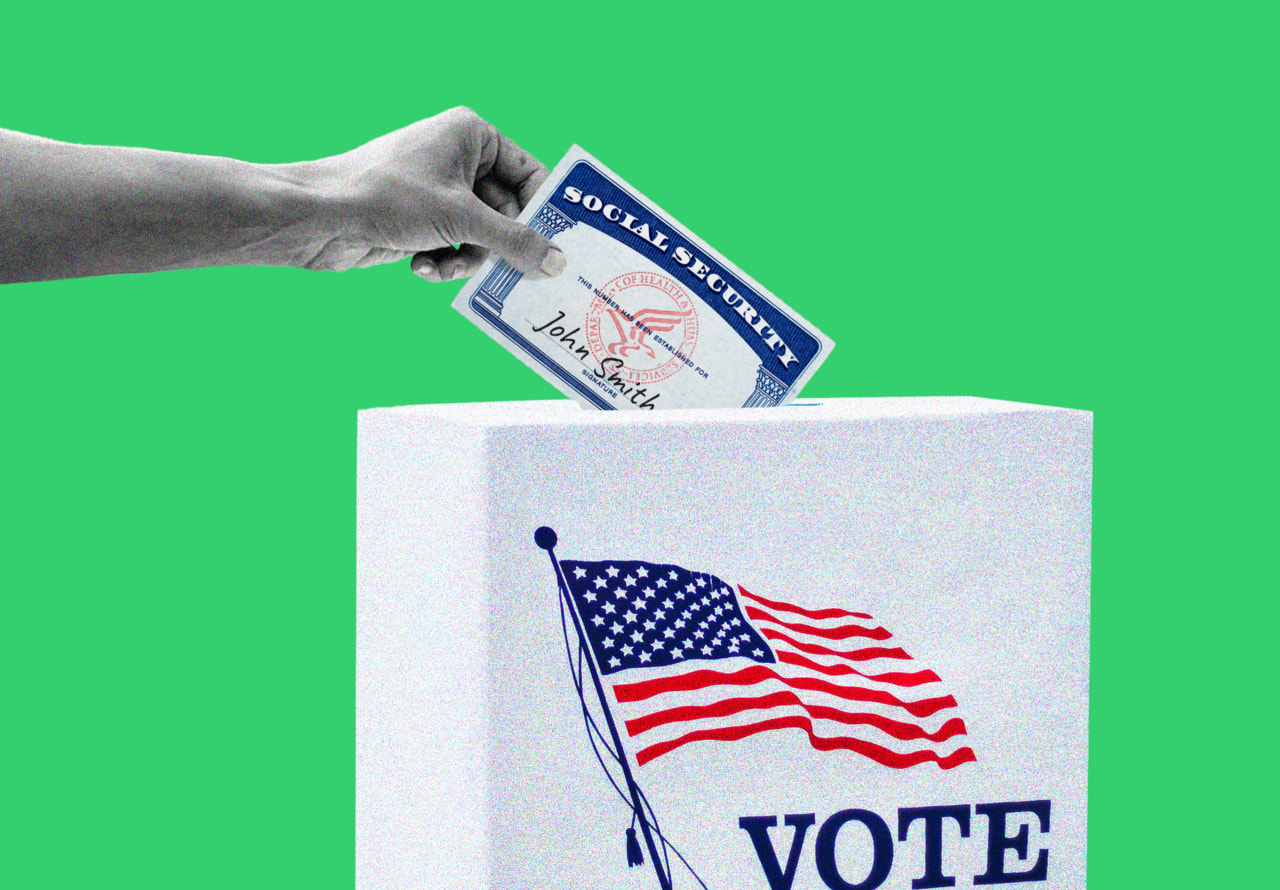
Social Security's financial timeline is now running on the same clock as a senator's term, and that overlap is pushing the program's future to the center of the 2026 midterm campaigns. The program is projected to exhaust its trust fund in roughly six years. Once that happens, incoming payroll taxes would cover only part of scheduled benefits unless Congress acts first.
The mechanics are straightforward. Payroll taxes paid by today's workers fund benefits for today's retirees, and the trust fund's reserves fill the gap whenever tax revenue falls short of what the program owes. Recent Trustees reports have estimated that, without changes, benefits would drop by roughly one-fifth to one-quarter once the reserves are gone. That is a cut that would land on tens of millions of households at once, many of which rely on Social Security for the bulk of their income.
It is tempting to treat the issue as a problem for people already collecting or close to it. But the stakes run in the other direction too. Workers in their twenties and thirties are paying into the system now, and they are the group most likely to face the largest adjustments if lawmakers wait. The main options on the table generally involve some mix of raising revenue, such as adjusting the payroll tax or the amount of earnings subject to it, and changing benefits, such as the retirement age or the formula that sets monthly checks. Each choice carries tradeoffs, and the longer Congress delays, the more abrupt those changes tend to be.
Voters nearing retirement have a more immediate interest. Changes to benefit formulas or claiming ages can reach them sooner, and they have the clearest view of how much their own finances depend on the program. Younger voters, meanwhile, have decades for any fix to play out, which means their choices now shape how gradual or sharp future adjustments will be.
Congress has repaired the program before. The 1983 amendments raised taxes and adjusted benefit timing to restore solvency, and lawmakers from both parties have cited that precedent in recent debates. Whether the next round looks similar will depend heavily on who wins control of Congress in November.
Individuals can check their own projected benefits through their Social Security statement on the Social Security Administration's website, ssa.gov. Reviewing that estimate is a practical first step for anyone trying to understand how a shortfall might affect their retirement plans.
Reporting based on an external source.