 Financetoday
Some Young Americans Are Skipping the Car, and Keeping the Cash
Personal Finance·October 24, 2026
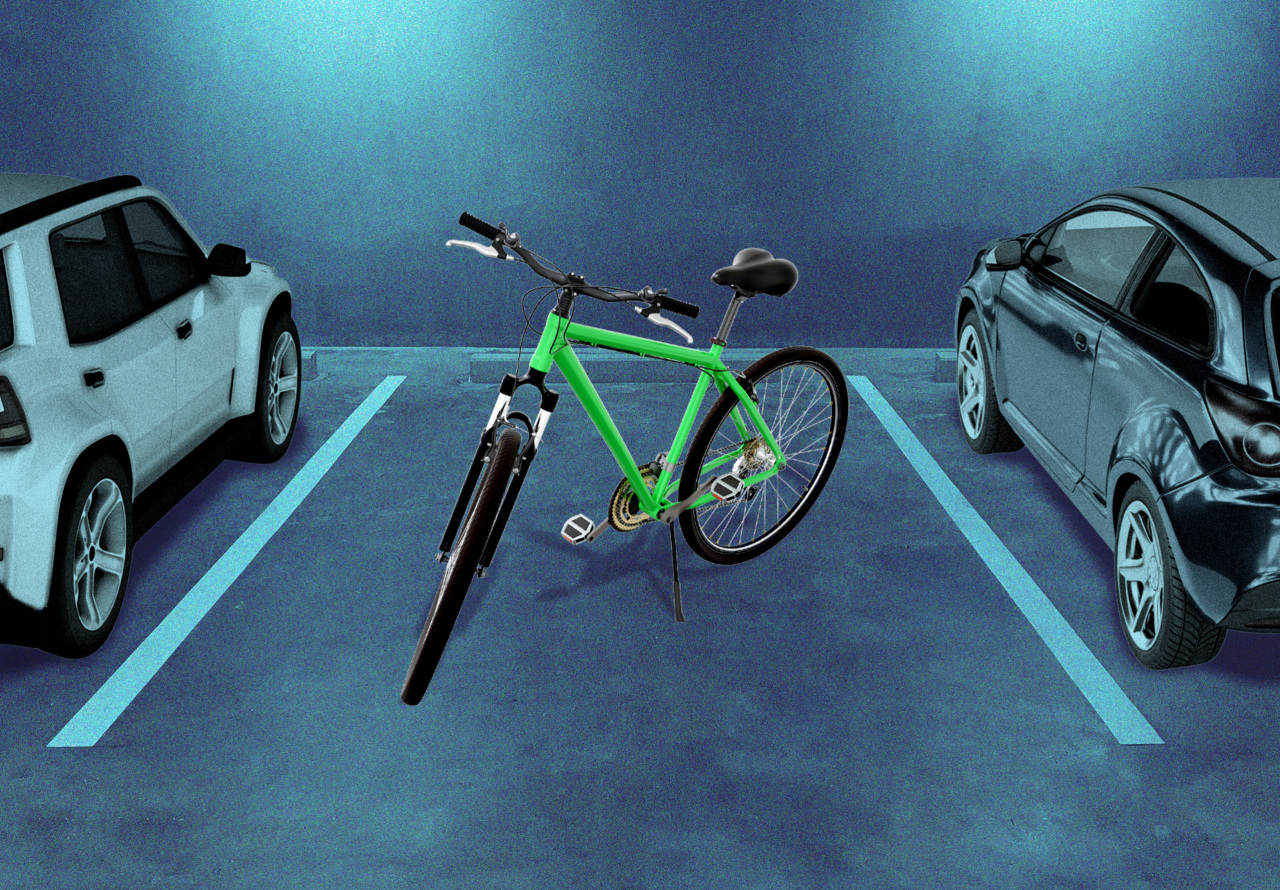
For many people under 35, the car has stopped looking like a rite of passage and started looking like a budget problem. New and used vehicle prices have climbed well past what many entry-level earners can comfortably afford, and auto loans cost more than they did a few years ago. Add insurance, fuel, parking and repairs, and a single vehicle can quietly absorb a large share of a monthly paycheck.
A growing group of young adults has decided to opt out. Some live in dense cities where transit, bike lanes and rideshare apps cover most trips. Others combine carpooling, occasional rentals and the kindness of friends for the rare long drive. What they give up in convenience, they often recover in cash flow. Money that would have gone to a car note and premiums can instead go toward rent, an emergency fund, student debt or simply a little breathing room at the end of the month.
The math does not work the same way for everyone, and going carless is not automatically a win. Someone who must commute to a job in a low-density area, care for children or work irregular hours may find that transportation costs just shift onto ride-hailing fares and delivery fees, which add up faster than expected. The savings depend on whether a person can reliably get where they need to go without a car, and whether they are honest about how often they would really use the alternatives.
Still, the trend reflects a broader rethinking of what financial stability looks like. Many people in this generation watched housing costs outpace wages, and the appeal of fewer fixed monthly bills is easy to understand. Owning a car is no longer assumed to be the default step toward independence. For some, flexibility now looks like the more valuable asset.
For anyone weighing the switch, the practical steps are straightforward. Map out a typical week and list every trip. Then calculate the true cost of ownership, including insurance, depreciation, maintenance and interest, and compare it with transit passes, ride-share spending and the price of a rental when it is needed. Putting the difference into savings or a retirement account is what turns a smaller car bill into lasting progress.
Reporting based on an external source.