 Financetoday
Tariff Refunds Are Fading, and Shoppers May Pick Up the Tab
Inflation·October 28, 2026
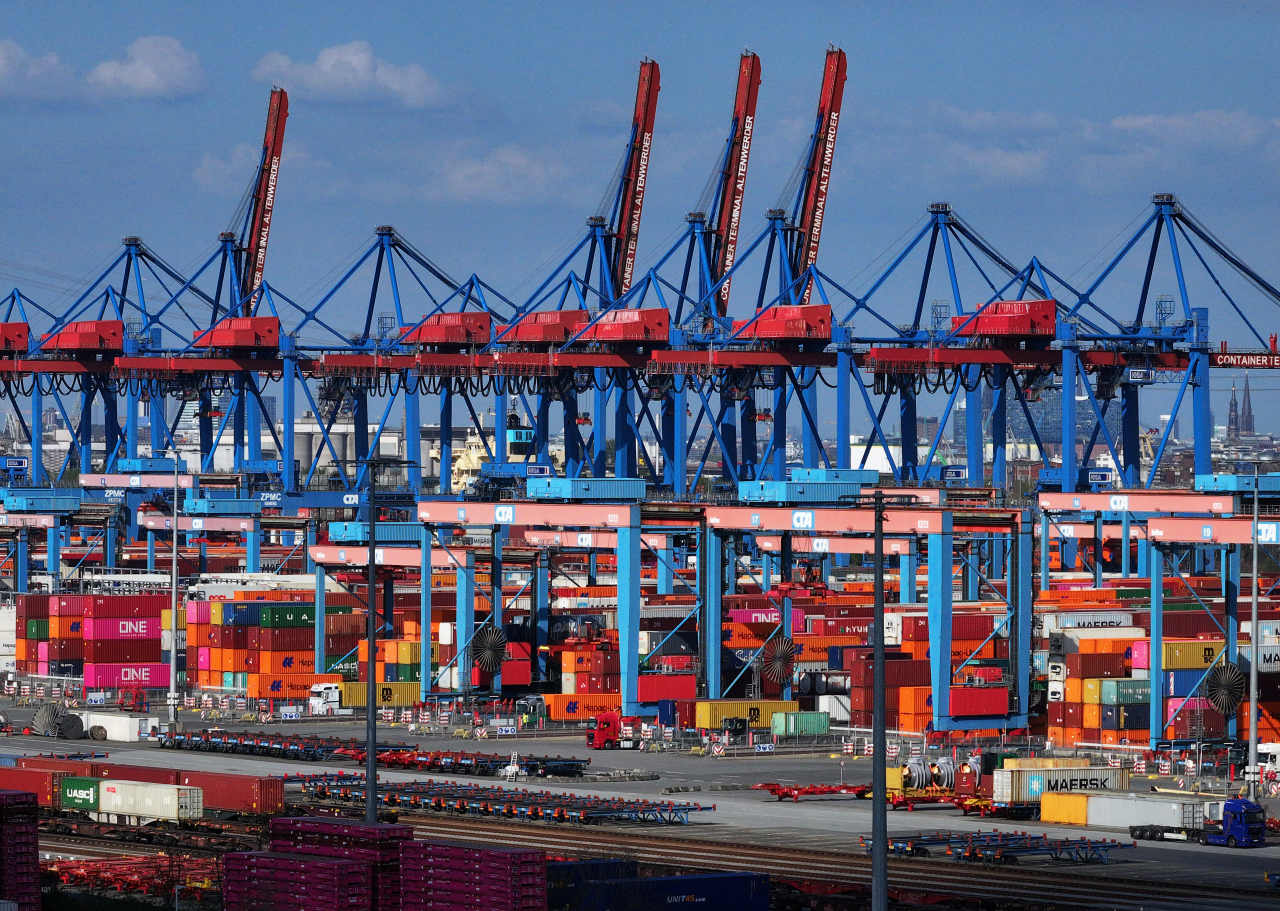
Businesses that spent recent months absorbing higher costs with help from tariff refunds may soon have less room to hold prices steady, and the result could reach store shelves and household budgets. That is the warning from Dennis DeBusschere of 22V Research, who expects companies to increasingly pass their higher costs on to consumers as the refunds dry up.
The logic is straightforward. A refund works as a temporary buffer. It lets a company keep its prices and margins in place even though it is paying more for imported goods or components. Once that buffer is gone, the company faces the same higher bills without the cushion, and it must choose between accepting thinner profits or charging customers more. DeBusschere's view is that more businesses will choose the second option, which would push up the prices people pay.
The argument is presented as one of four reasons to start worrying about inflation. The others are not covered in the material available for this report, so this article focuses on the refund issue alone. Still, it is a useful lens for understanding why price pressure can persist even after the initial shock of a policy change has faded.
Why it matters: households have spent a long stretch adjusting to higher prices, and many are still watching their grocery and household bills closely. If companies shift costs onto customers gradually, the change may appear slowly in consumer price data rather than as a single jump. Shoppers and investors alike will want to watch for price increase announcements from retailers and manufacturers, and for any signs that firms are giving up on absorbing costs they once covered.
Reporting based on an external source.