 Financetoday
Ten Megadonors Have Poured $1 Billion Into the Midterms
Campaign Finance·October 31, 2026
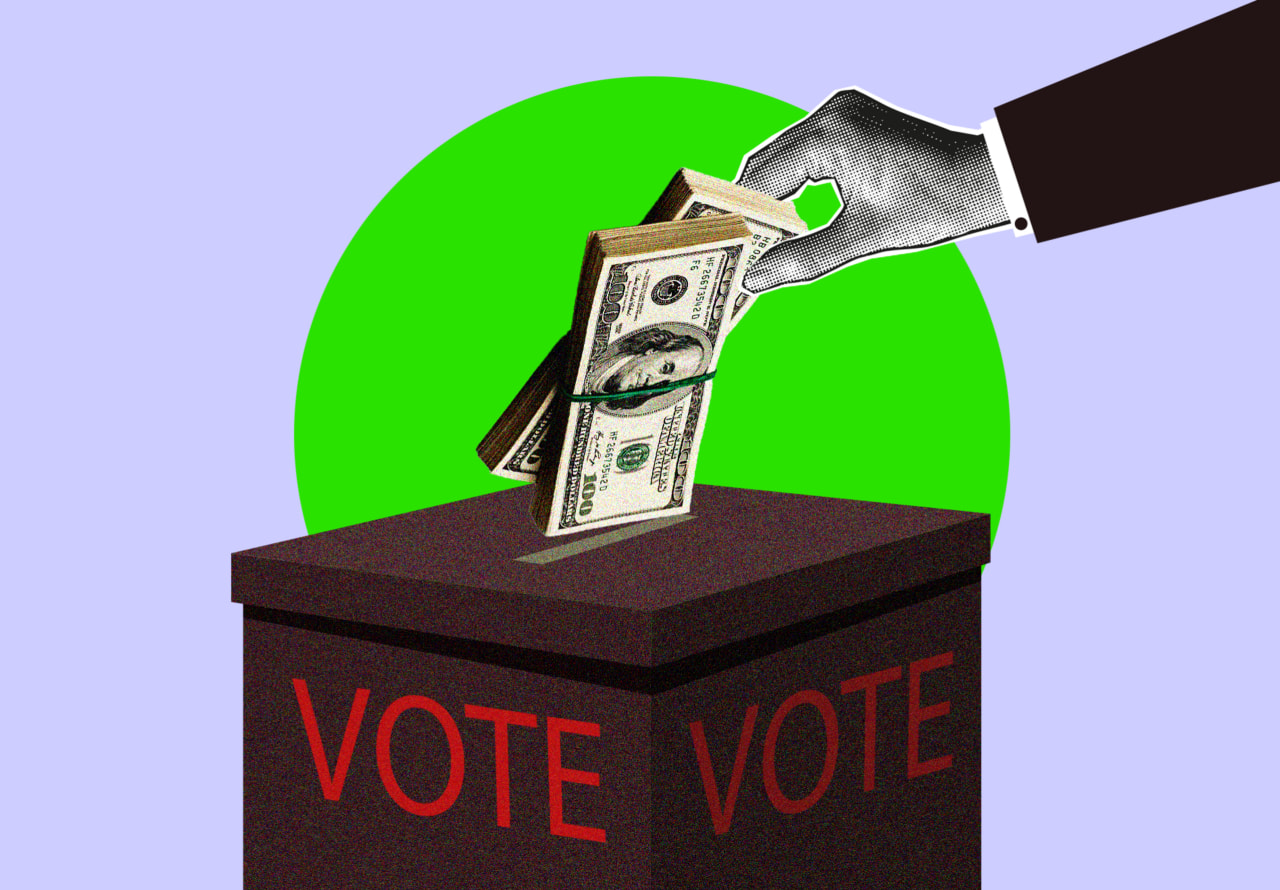
A handful of the country's richest political donors have spent about $1 billion on this year's midterm elections, a sum that helps explain why the 2026 cycle is being called the most expensive in U.S. history.
The figure covers ten megadonors whose giving spans candidates, party committees and outside groups that can raise and spend money without coordinating with campaigns. Together, their contributions amount to a large share of the money flowing into races for Congress and state offices, even though only a tiny fraction of the country's voters ever write a check of that size.
The concentration is the story as much as the total. Changes to campaign finance rules over the past 15 years, including the 2010 Supreme Court decision in Citizens United and the rise of super PACs and other independent groups, have made it easier for individuals to direct very large sums toward races without the limits that apply to direct candidate donations. Ten people or families can now shape the airwaves in a competitive district in a way that would have been difficult a generation ago.
For voters, the spending is hard to miss. Television, streaming and digital ads in the most closely watched districts have run heavily for months, and the final stretch before Election Day is typically the most expensive. Supporters argue that the money funds get-out-the-vote operations, issue education and challengers who would otherwise lack resources. Critics counter that it gives a few wealthy donors outsized influence over which candidates reach voters and which issues get attention.
The number is also a reminder of how the money is tracked. Totals like this one are assembled from public filings, which can lag behind actual spending and sometimes obscure the original source of funds routed through nonprofit or limited liability vehicles. Final figures may shift as late reports come in after the vote.
Whatever the final tally, the midterms are unlikely to be remembered for restraint. Campaign finance analysts will be watching the post-election disclosures closely, along with any new push in Congress or the courts to tighten or loosen the rules that govern this kind of giving.
Reporting based on an external source.