 Financetoday
Tesla and SpaceX Merger Talk Deserves a Cold Look
Markets·October 22, 2026
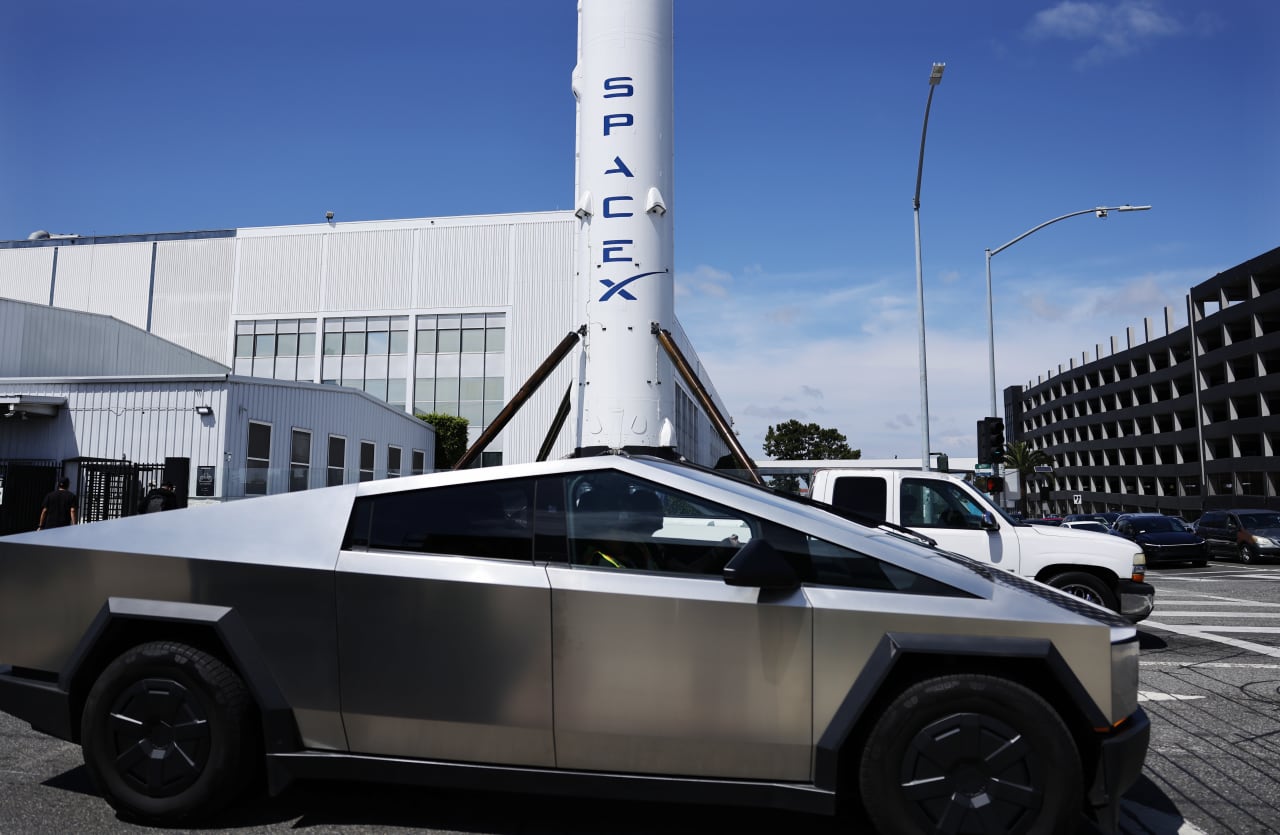
Talk of a combination between Tesla and SpaceX has been circulating on Wall Street, and the appeal is easy to see. Both companies sit at the center of the same chief executive's ambitions, both carry valuations built on big promises, and both have a loyal following among retail investors. On a slide deck, a deal that stitched them together could look like a bold bet on the future. Before buying into it, though, investors should ask what they would actually be getting.
The two businesses have little operational overlap. Tesla earns most of its revenue from building and selling electric vehicles and energy storage products, in a capital-intensive and increasingly competitive auto market. SpaceX builds rockets and runs Starlink, a satellite internet service with a different customer base and a different regulatory profile. Unlike a typical industry merger, pooling them would not obviously deliver cost savings or shared technology. It would mainly tie two separate growth stories together and ask shareholders to pay for both.
Governance is the bigger concern. The same executive leads both companies, which raises questions about how a deal would be priced and who would benefit from its terms. Tesla shareholders would have to trust that the valuation of a transaction with a sister company was set at arm's length. Deals in which insiders sit on both sides have drawn heavy scrutiny in the past, and a combination of this size would invite it again.
Dilution and valuation are also hard to pin down. A merger could require Tesla to issue large numbers of shares or take on significant liabilities, and the fair value of a company whose worth is harder to verify than a listed firm's is open to debate. Investors who cheer the headline may find the economics thinner than the narrative suggests.
For now, patience is the sensible stance. A merger remains speculation rather than a confirmed plan, and the strongest case for it rests more on enthusiasm than on evidence. Shareholders would do well to demand clear terms, independent review and a credible explanation of what the combined company could do better than the two companies can do separately.
Reporting based on an external source.