 Financetoday
Today's Bills, Tomorrow's Tab: The Hidden Cost of Deferral
Economy·October 8, 2026
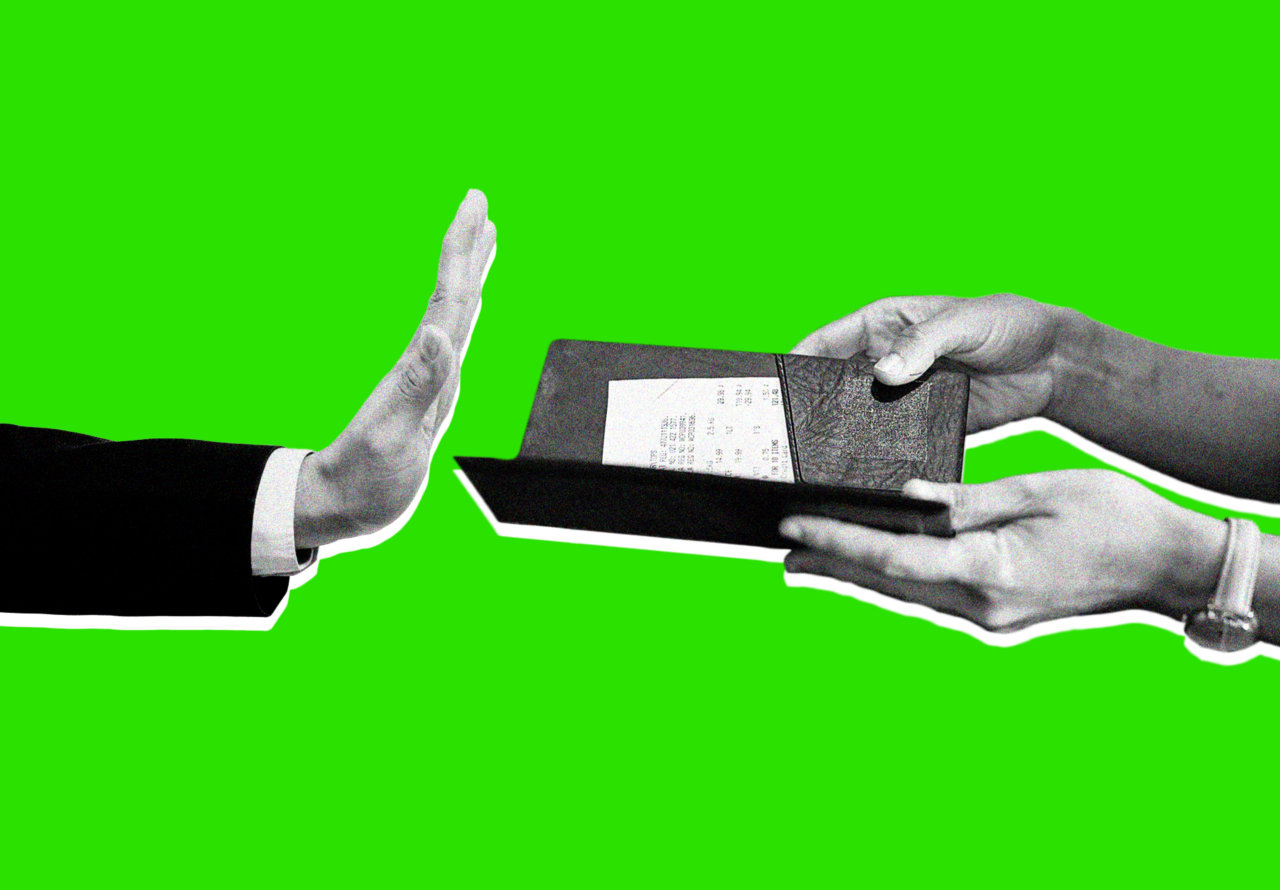
Deferral is the polite word for it. When a bill comes due, the government can borrow to cover this year's spending, and a lender can let a borrower skip cash payments and roll the amount into the principal. Either way, nothing is erased. The obligation is moved to a later date, and interest keeps running in the meantime.
The bar-tab comparison is a useful one. Someone orders another round, the total climbs, and the person who ran up the tab is often not the person who settles it. In public finance, that person is usually a future taxpayer who had no say in the original spending. In private credit, it can be a borrower or investor who discovers years later that the balance has compounded well beyond what was expected.
The appeal is easy to understand. Deferral keeps headline numbers tidy. A budget can look balanced for the current year, quarterly results can look steady, and the cost lands after the people who made the decision have moved on. That timing gap is the central problem: the benefits arrive immediately and are easy to see, while the costs are spread out and delayed.
Deferral is not always a mistake. Borrowing to fund projects that pay returns over decades can make sense, and restructuring a loan a borrower can realistically repay may be the responsible choice. The real test is whether the future obligation is priced honestly and whether anyone is tracking it. When accrued balances grow faster than the economy or the income meant to service them, the tab stops being a bridge and starts to look like a trap.
Readers who want to judge these arrangements should watch three things: how much interest is accumulating, how many obligations are rolling forward at the same time, and who holds the risk if the bill is not paid on schedule. Clear reporting on those points would reveal more than any single year's deficit figure or earnings report.
Reporting based on an external source.