 Financetoday
Trump Turns to Russia to Ease Diesel Prices Before Midterms
Energy·October 10, 2026
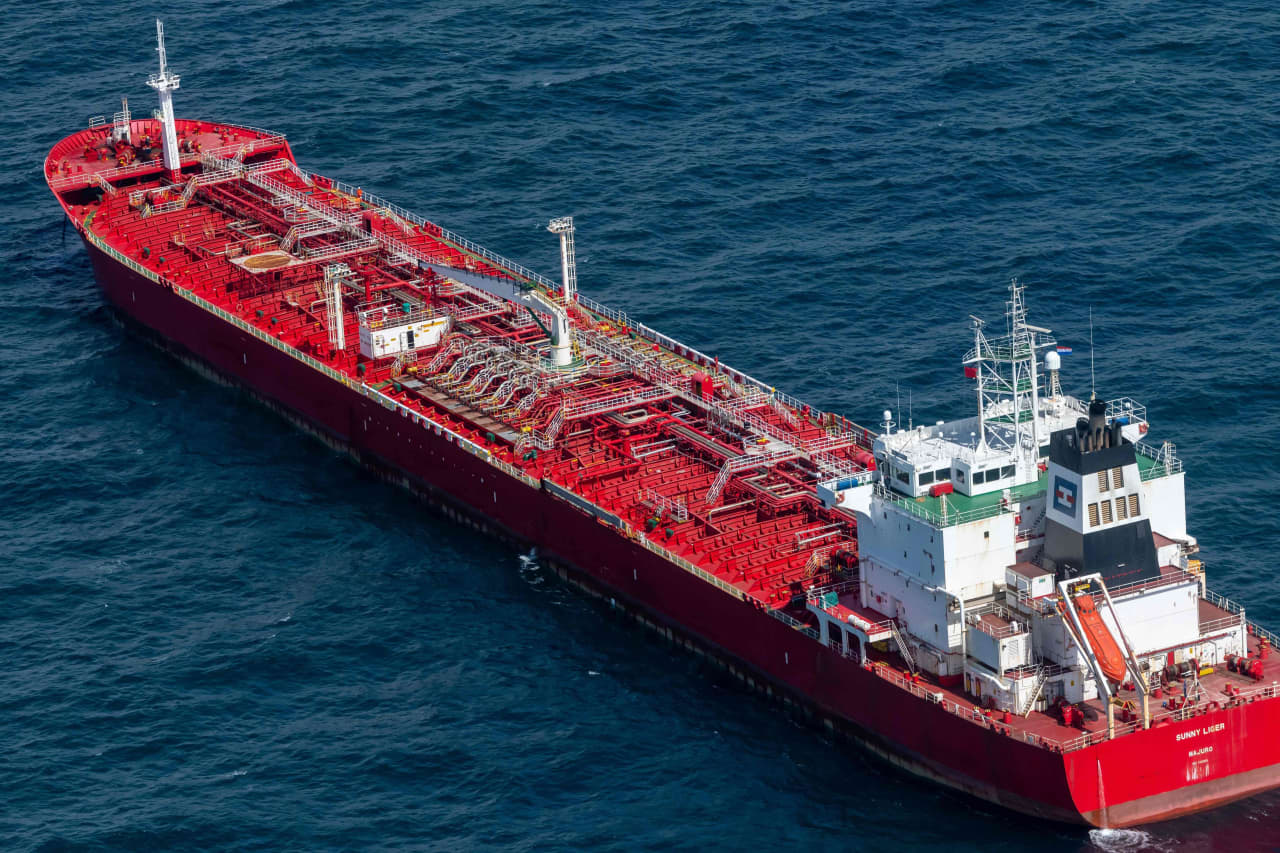
The Trump administration has enlisted Russia to help increase diesel supplies in the United States and abroad, a move aimed at bringing down fuel prices before voters head to the polls in November's midterm elections. Diesel is a politically sensitive fuel because it powers freight trucks, farm equipment, and many buses and generators, and its cost tends to work its way into grocery bills and shipping rates quickly.
The basic logic is simple. More diesel moving through the market should ease the pressure that has pushed pump prices higher, and a supply boost from a major producer could help cover gaps in the global market. Russia is one of the world's largest exporters of refined fuels, but its sales have been constrained for years by Western sanctions imposed after its full-scale invasion of Ukraine. Bringing Russian barrels back into the conversation, even indirectly, would mark a notable shift in how Washington is balancing energy prices against its pressure campaign on Moscow.
Not everyone is persuaded that the step will matter much. A strategist cited in the coverage described the effort as possibly "too little, too late," suggesting that the scale of any supply increase may not be large enough, or arrive soon enough, to change what consumers pay before Election Day. Fuel prices depend on refinery output, inventories, shipping routes, and demand, and a policy change can take weeks to show up at the pump.
The arrangement also raises questions about consistency. Any move that eases restrictions on Russian petroleum products is likely to draw scrutiny from allies that have tightened their own rules and from lawmakers who have pushed for harder limits on Moscow. The available reporting does not lay out the volumes involved, the timeline, or which buyers would benefit, so the practical effect on diesel prices remains uncertain.
Reporting based on an external source.