 Financetoday
Trump Unlocks Highway Access for Tax-Exempt Farm Diesel
Tax Policy·October 7, 2026
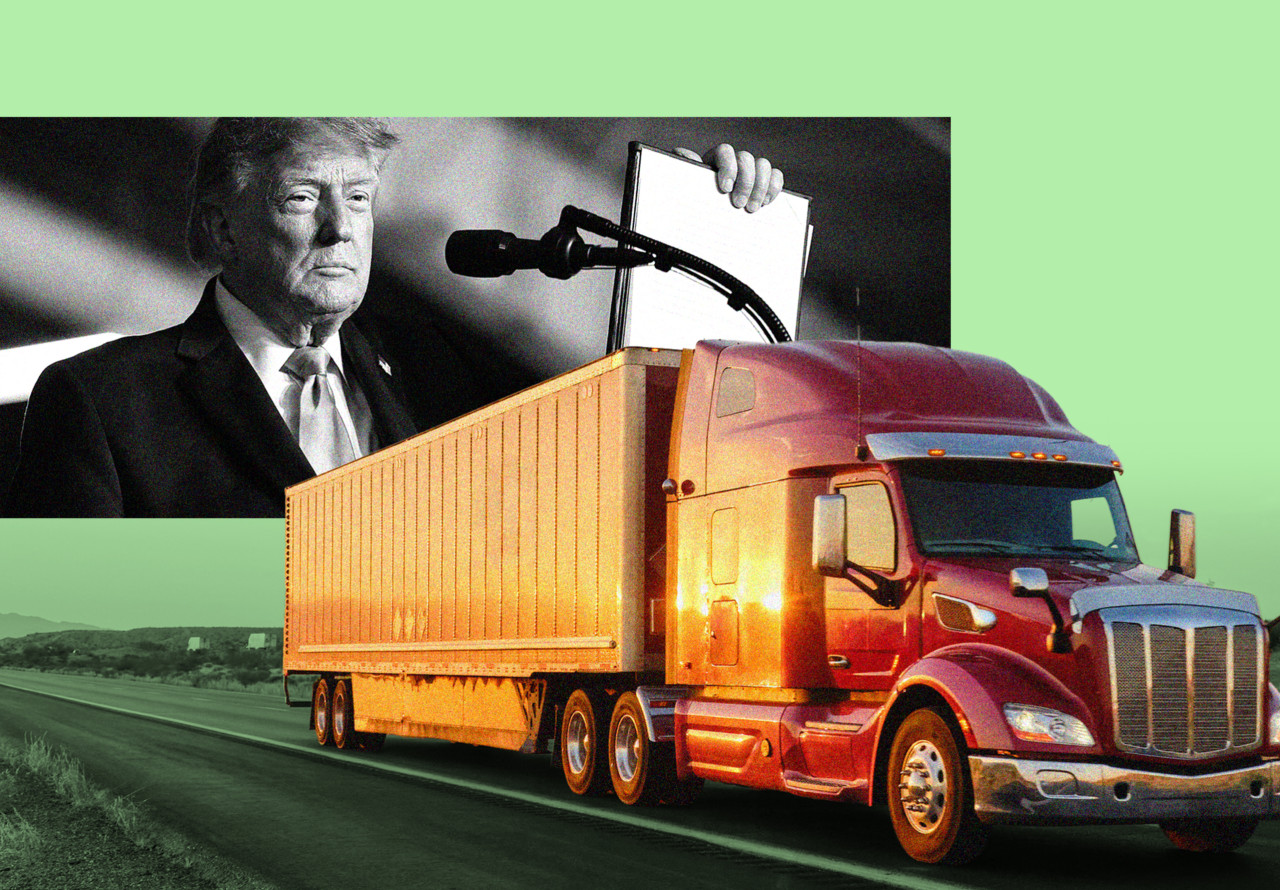
The Trump administration has waived federal restrictions that typically limit red-dyed diesel to off-road agricultural use, allowing highway drivers to legally fuel their vehicles with the tax-exempt fuel through the end of 2026. The move aims to provide relief in the transportation sector, but it has already sparked concerns about lost state tax revenue and enforcement complications.
Red-dyed diesel, also known as farm diesel or non-road diesel, costs significantly less than standard highway fuel because it avoids federal excise taxes that typically add about 24 cents per gallon. The fuel is dyed red to clearly mark it as exempt from highway-use taxation, and federal law strictly prohibits its use on public roads except in limited circumstances. Violators face substantial penalties.
The waiver expands access to an estimated 10-15 percent price discount for any driver willing to use the colored fuel, a potentially significant savings in a transportation market sensitive to fuel costs. Truckers, delivery services, and individual drivers could all theoretically benefit from the lower prices during the roughly 15-month window before the waiver expires.
However, the decision has raised red flags among state revenue officials and some transportation advocates. States rely heavily on fuel taxes to fund road maintenance and infrastructure projects, and a widespread shift to tax-exempt fuel could drain millions from those budgets. California alone has flagged potential revenue losses exceeding $50 million annually if adoption spreads, according to state tax authorities.
The federal government has also expressed concerns about enforcement. The Environmental Protection Agency uses the red dye as a tool to identify improper fuel use during inspections, and expanding its highway availability could complicate compliance monitoring. Some environmental groups worry the waiver could undermine emissions standards tied to fuel tax compliance programs.
The waiver is scheduled to expire December 31, 2026, unless extended by future administrations. The Trump administration has not outlined criteria for renewal or any mechanism for states to opt out of the provision. Legal experts anticipate litigation from states seeking to protect fuel tax revenue, setting up potential conflicts between federal highway policy and state fiscal authority before 2027 arrives.
Reporting based on an external source.