 Financetoday
Trump Wants Data Centers to Power Themselves, but Only States Can Require It
Energy Policy·October 22, 2026
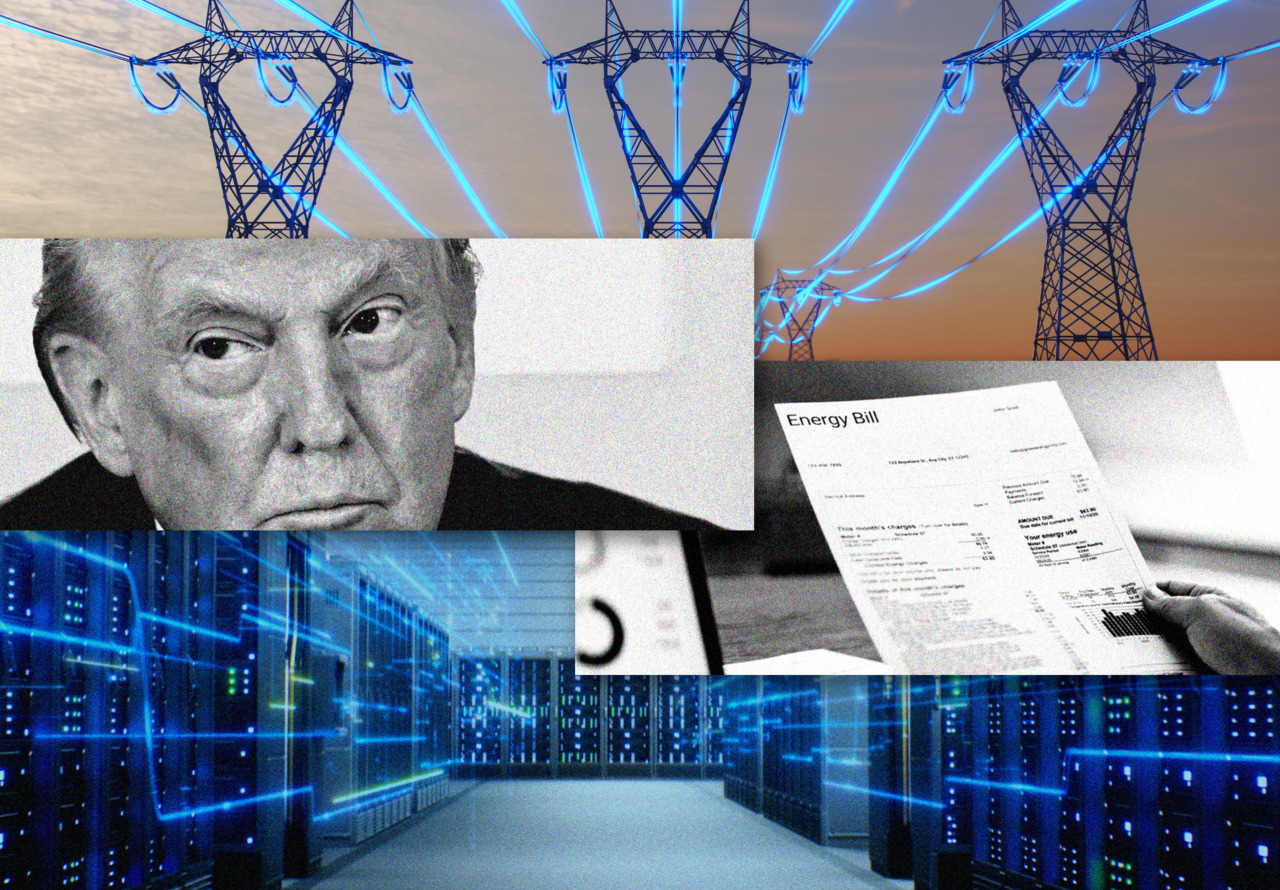
President Trump has said that data centers should generate their own electricity instead of drawing on the existing power grid. The remark puts a spotlight on one of the fastest-growing sources of electricity demand in the country, and on a question that depends less on the president's authority than on who can actually make such a rule stick.
Experts say that answer is mostly state governments. Retail electricity rates, utility service terms and the conditions under which large new customers connect to the grid are typically set by state utility commissions. A state could require a data center to bring its own generation or to pay for the grid upgrades its load creates. The federal role is narrower, centered on wholesale power markets and interstate transmission, and Washington has limited tools to order individual facilities to build their own power plants.
The comment comes as local opposition to data centers is hardening. Residents in a number of communities have raised concerns about higher power bills, water use, noise and the strain that large campuses place on substations and transmission lines. Those worries are showing up in zoning fights and local races, and candidates heading into the midterm elections are increasingly being asked where they stand.
For investors and operators, the distinction matters. A federal statement of preference can shift the political conversation, but it does not change project economics on its own. Binding state rules on on-site generation, cost allocation for grid upgrades or permitting would. Developers already exploring onsite gas turbines, batteries or nuclear partnerships could see more demand for that approach, while companies that have counted on cheap grid power may face new costs if states move to make large customers pay more of the expense.
Reporting based on an external source.