 Financetoday
Two Humanoid Housekeepers, a $55,000 Price Tag, and Some Human Help
Robotics·October 18, 2026
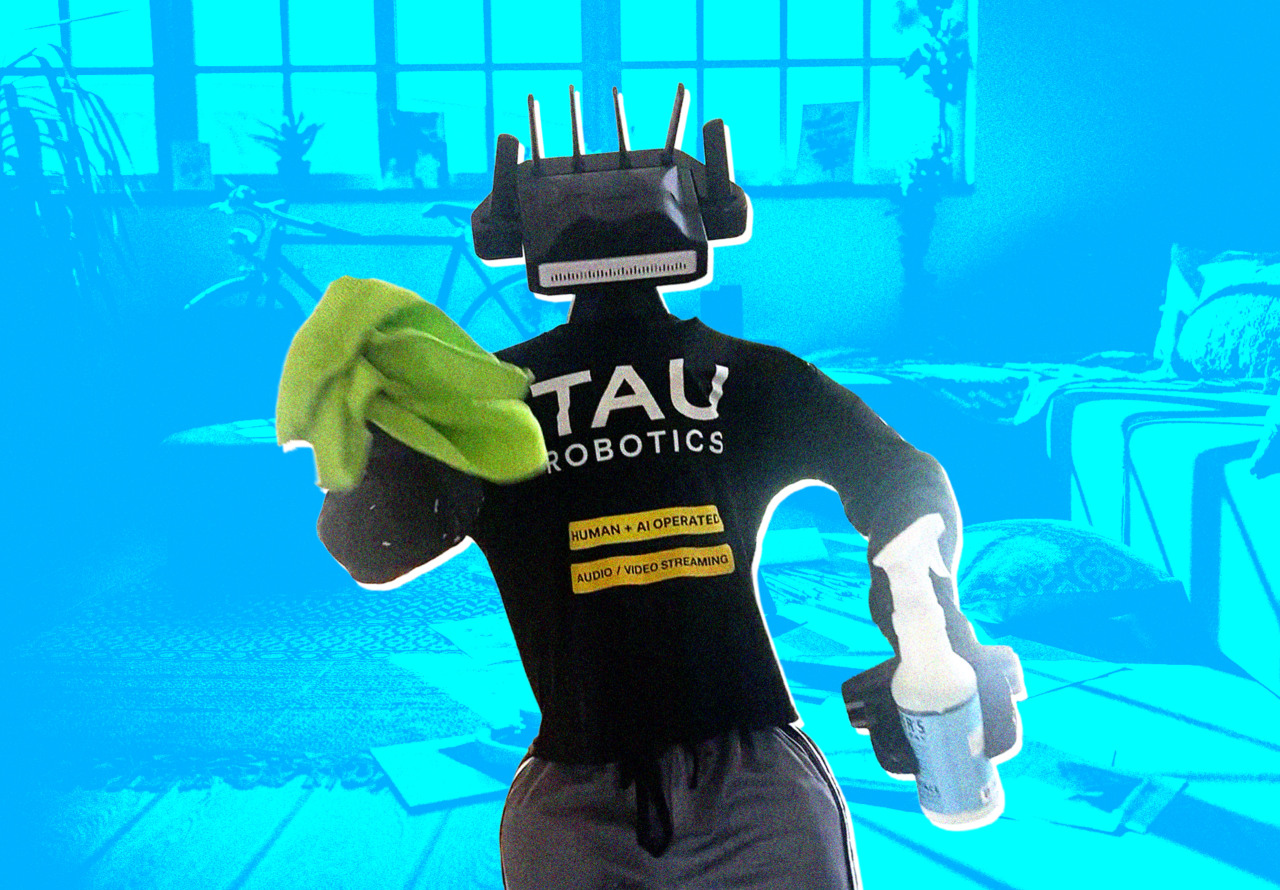
A $55,000 price tag buys a lot of things. Whether it buys a robot that can run a household is the question Tau Robotics' two humanoid machines were brought in to answer. A reporter spent an afternoon with them, and the results were more convincing in some areas than in others.
The chores were the kind most people would recognize: vacuuming floors and wiping down kitchen counters. They are also the kind that test whether a robot can move through a cluttered room, reach surfaces, and handle everyday objects without making a mess of them. On those basic tasks, the machines got the job done.
The catch was the help they received. People working behind the scenes assisted the robots during the session, and that detail matters a great deal for anyone weighing a purchase at this price. Autonomy is the main thing buyers pay for. A machine that depends on human support for part of its work is a different product from one that can operate on its own, and the two should not be judged by the same standard. Developers in this field often describe that support as a stepping stone while their software improves, but the distance between an impressive demonstration and a dependable household helper is still wide.
For early adopters and investors alike, the central question is whether the price reflects what the machines can do today or a bet on what they will do later. At $55,000, the hardware is priced closer to a car than to an appliance. A dishwasher costs a small fraction of that and runs the same cycle every time. A basic robot vacuum costs far less and works without anyone watching it.
The afternoon suggests the technology is moving in a promising direction. It does not yet suggest that a humanoid robot can take over the housework without a person nearby. Until a machine can finish the job on its own, most households will be paying for a demonstration, not a dependable helper.
Reporting based on an external source.