 Financetoday
Walmart and Best Buy Roll Out Digital Price Tags, Raising Fears of Shopper-Specific Pricing
Retail·October 25, 2026
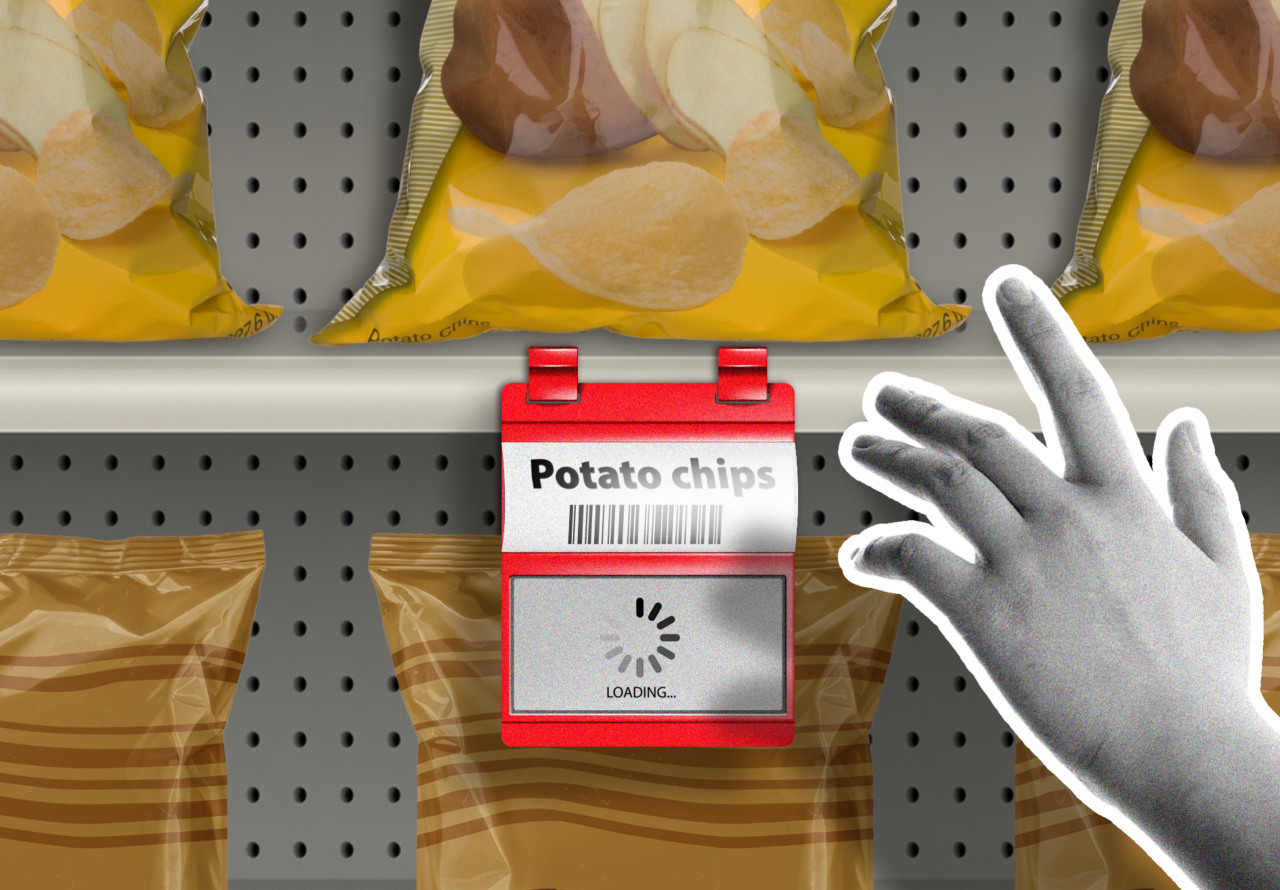
Paper price tags are disappearing from some of the largest store aisles in the United States. Walmart, Best Buy and other major retailers have started using digital price tags, small electronic screens clipped to shelves that can show a new price without an employee walking the aisle with a label printer.
For the stores, the appeal is mostly practical. Electronic shelf labels can be updated from a central system, which cuts the time staff spend swapping paper tags and lowers the chance that a shelf price and a register price disagree. They also let a retailer change prices across many locations at once, which matters when costs or competitors move quickly.
That same flexibility is what worries critics. Once prices are set by software rather than by hand, a store could in principle show different prices to different customers, or shift them based on demand, the time of day or a shopper's profile. Consumer advocates argue that a shelf label makes this kind of practice harder to notice, because the price on display no longer looks like a fixed sticker that every passerby sees in the same way.
Retailers generally frame the labels as a way to keep prices accurate and free staff for work on the sales floor. It is not yet clear how far any chain plans to take individualized pricing with the technology. Still, the debate is likely to grow as more chains adopt the screens and as regulators take a closer look at how companies use pricing data. For now, shoppers who want to be sure they are paying the posted price can compare the shelf tag with the receipt.
Reporting based on an external source.