 Financetoday
When One Chipmaker's Stock Ends Up in Your Retirement Account
Markets·November 26, 2026
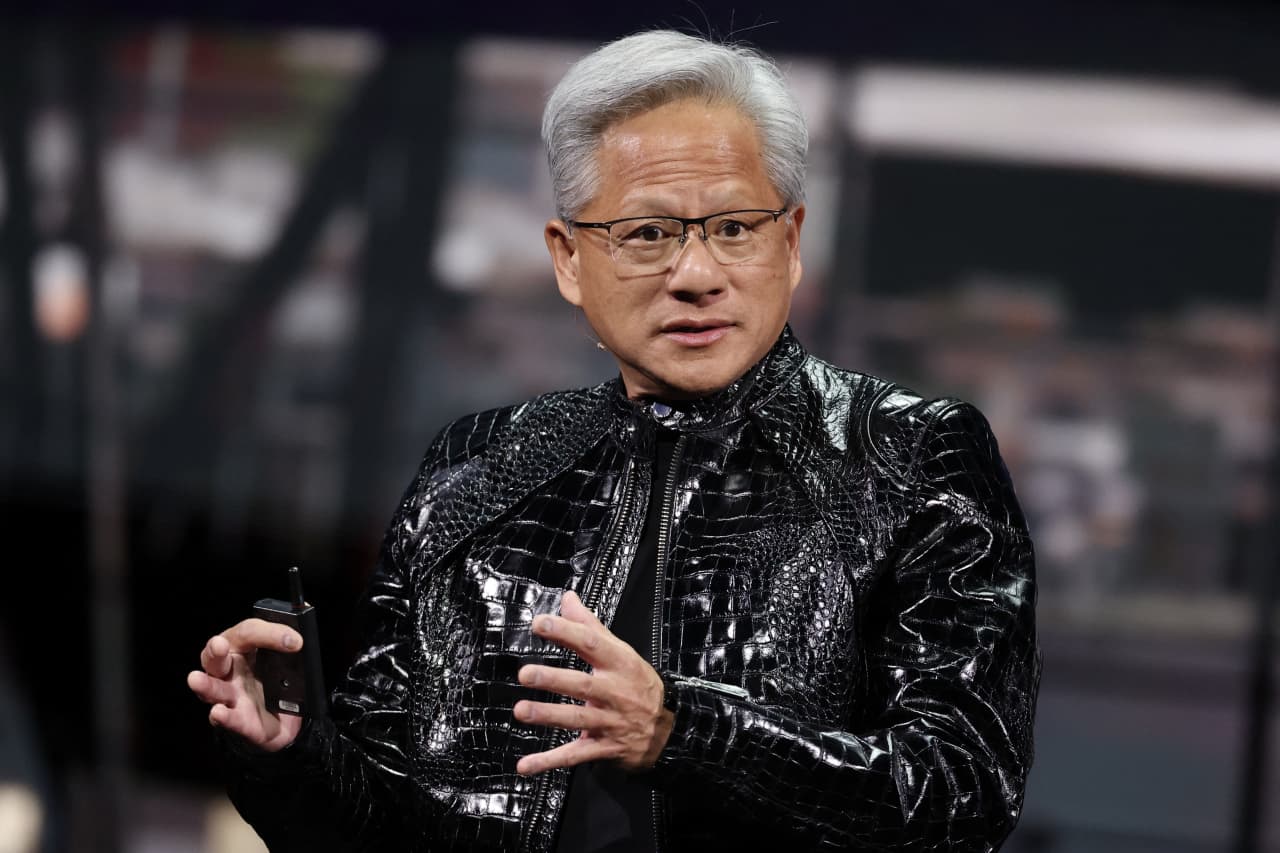
Most American retirement savers have never bought a share of Nvidia. Many of them own it anyway. Through S&P 500 index funds, total-market funds and target-date funds, a meaningful slice of a typical 401(k) can ride on the performance of one chipmaker, and that company's chief executive, Jensen Huang, has become a figure whose decisions ripple far beyond Silicon Valley.
The mechanics are straightforward. Most popular index funds weight their holdings by market value, so as a company's share price climbs, it takes up a larger portion of the fund. Nvidia's rise, driven by demand for the AI chips it designs, has pushed it into the top tier of the index. A bad quarter, a delayed product or a shift in investor mood about AI spending can therefore move a retirement balance that was meant to be spread across hundreds of companies.
A commentary that prompted this piece goes a step further and asks why a company so closely tied to one visionary's forecasts has ended up with nearly every major strategic call routed through a single person. Founder-led firms can move quickly, and Huang's bet on accelerated computing has paid off handsomely for shareholders. But heavy reliance on one executive's judgment is a real risk, and it matters more when that company also sits at the center of the broader market.
Financial planners often point out that owning several funds does not automatically mean owning a diversified portfolio. Three or four funds that all hold the same large technology names can amount to one concentrated bet. Savers who want to check their exposure can review the top holdings of each fund in their plan and add up the combined weight of the biggest companies.
None of this argues for panic selling. Market-cap weighting has served long-term investors well, and many will continue to benefit from it. The point is awareness. A retirement plan built on index funds is not a hands-off guarantee, and it rewards periodic attention. Checking allocations once a year and confirming that a target-date fund's glide path still matches your retirement timeline are simple steps that can reveal whether one company has quietly grown too large a part of your future.
Reporting based on an external source.