 Financetoday
Why Gold and Silver Are Falling Despite Their Inflation-Hedge Reputation
Markets·November 15, 2026
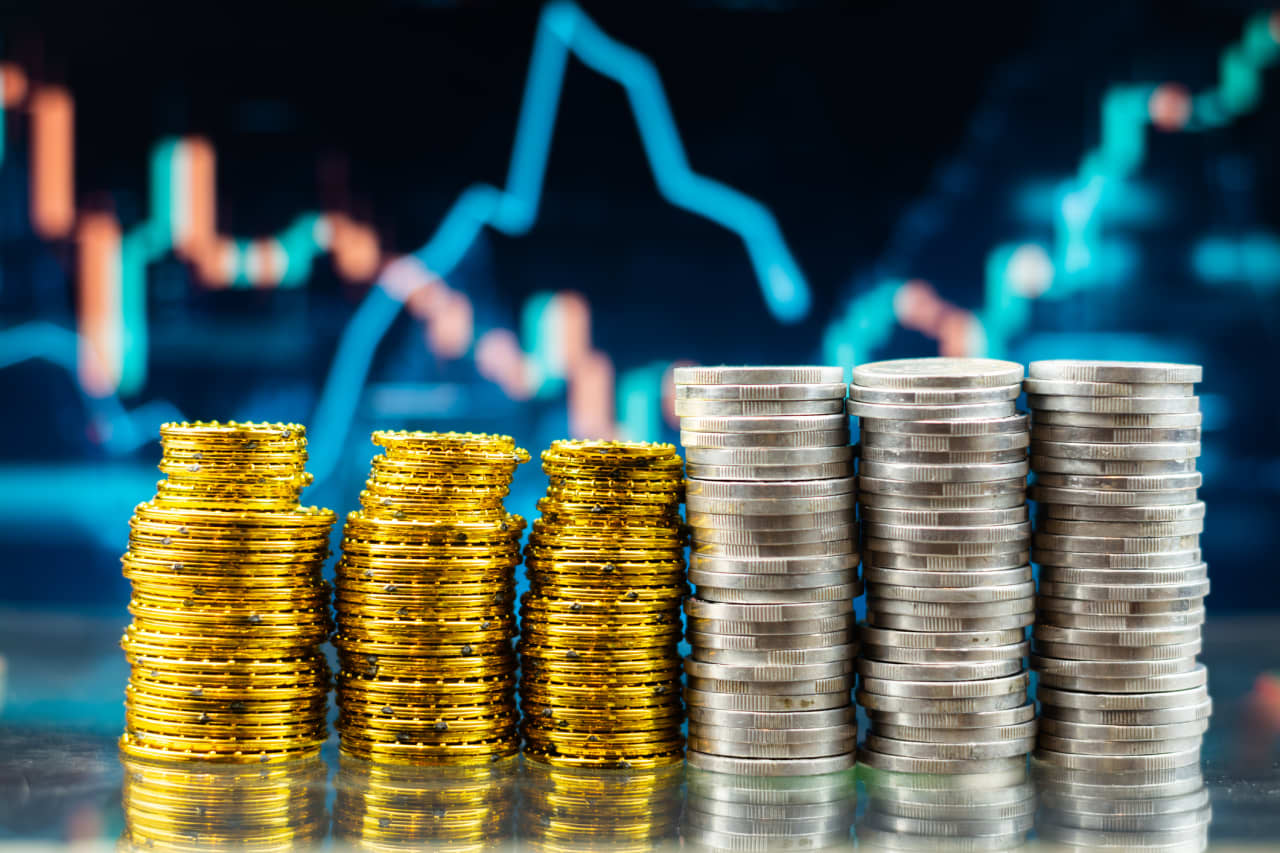
Gold and silver have a long reputation as stores of value, the assets investors reach for when consumer prices climb and currencies lose their footing. That is what makes the current slide puzzling. Both metals are falling, and chart analysis points to the possibility of more pain ahead.
The usual playbook is failing because of what else is happening in the economy. Gold pays no interest or dividends, so its appeal depends heavily on the return investors can earn elsewhere. When yields on government bonds and savings accounts are high, or rising, holding a metal that earns nothing becomes more expensive in opportunity terms, and money tends to move toward interest-bearing assets. A strong dollar adds pressure, because metals priced in dollars become costlier for buyers using other currencies.
Silver faces an additional drag. It is used heavily in industry, from electronics to solar panels, so its price tracks the health of manufacturing as well as demand for safe-haven assets. When growth worries build, silver often falls harder than gold. That is one reason the two metals can drop together even while inflation remains a live concern.
The warning from the charts rests on technical levels. When prices break below support lines that traders watch closely, selling can accelerate as stop-loss orders trigger and momentum-focused investors step aside. Technical signals are not guarantees, and metals have recovered from similar slides before. Still, the pattern is a reminder that an inflation hedge does not deliver short-term gains on a schedule.
For investors, the takeaway is that metals respond first to real interest rates, currency moves and shifts in sentiment. Anyone weighing a position should examine those drivers rather than assume gold and silver will rise simply because inflation is in the headlines.
Reporting based on an external source.