 Financetoday
Your 401(k) Now Rides on Jensen Huang's Decisions
Markets·November 26, 2026
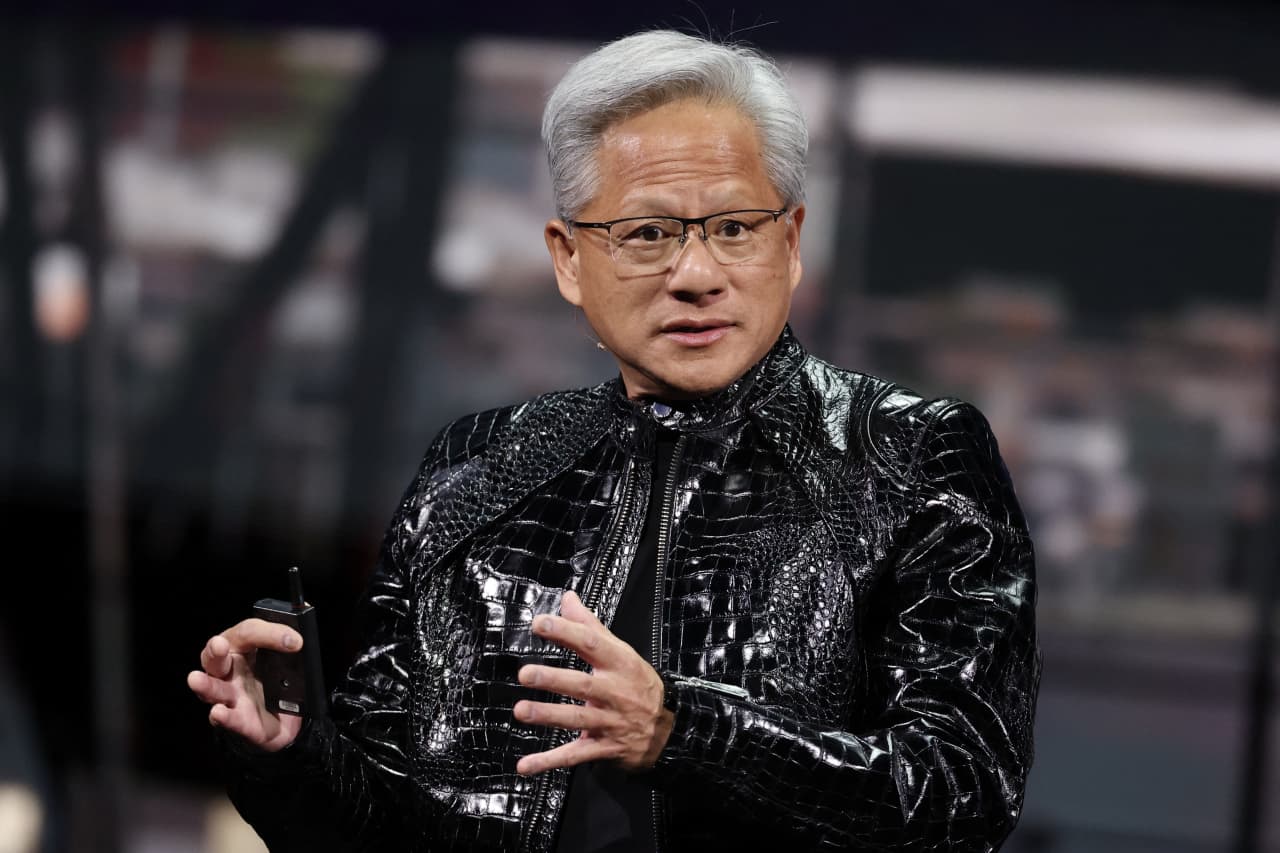
If you hold a target-date fund or a broad index fund in your 401(k), there is a good chance you own Nvidia. Most large U.S. stock indexes weight companies by market value, so the chipmaker's rapid climb has pulled a growing share of ordinary retirement savings into a single name. That means Jensen Huang is not only running a semiconductor business. In a roundabout way, he is also influencing the balances of millions of people who have never bought a share of the stock on purpose.
The commentary at the center of this discussion asks a pointed question: why would a futurist with Huang's record of foresight build a company where almost every important path leads back to him? Huang is widely credited with a long-range bet on accelerated computing and artificial intelligence that looked unconventional to many observers before it paid off. Concentrated decision-making can move fast and keep strategy consistent, but it also leaves less room for a credible successor, a strong internal dissent, or a second opinion that could change the outcome.
That tension matters to investors for reasons beyond corporate governance. When one executive's strategy becomes a proxy for the performance of a large index, a setback at the company can spread into accounts that never explicitly chose it. Savers who believe they are diversified may find that their exposure to one industry and one leader is far larger than the fund labels suggest. Part of the problem is simply success: the better a stock performs, the more weight it gains in the passive funds that hold it, which in turn increases the pressure on everyone who owns those funds.
None of this makes Nvidia a bad investment, and the case for the company is easy to state. Founder-led firms often move quickly because the person with the vision also has the authority to act on it. The practical lesson for savers is less dramatic. Look up the top holdings of your target-date or index fund, add up the weight of your largest positions, and ask whether one company or one theme has quietly become a major share of your retirement. Diversification is not only about owning many funds. It is about owning different kinds of risk.
Whether Huang's bets keep paying off is a question for the market to answer. Retirement security, however, should not depend on the judgment of any single executive, however brilliant the record.
Reporting based on an external source.