 Financetoday
Your 401(k) Probably Holds More Nvidia Than You Realize
Retirement·November 16, 2026
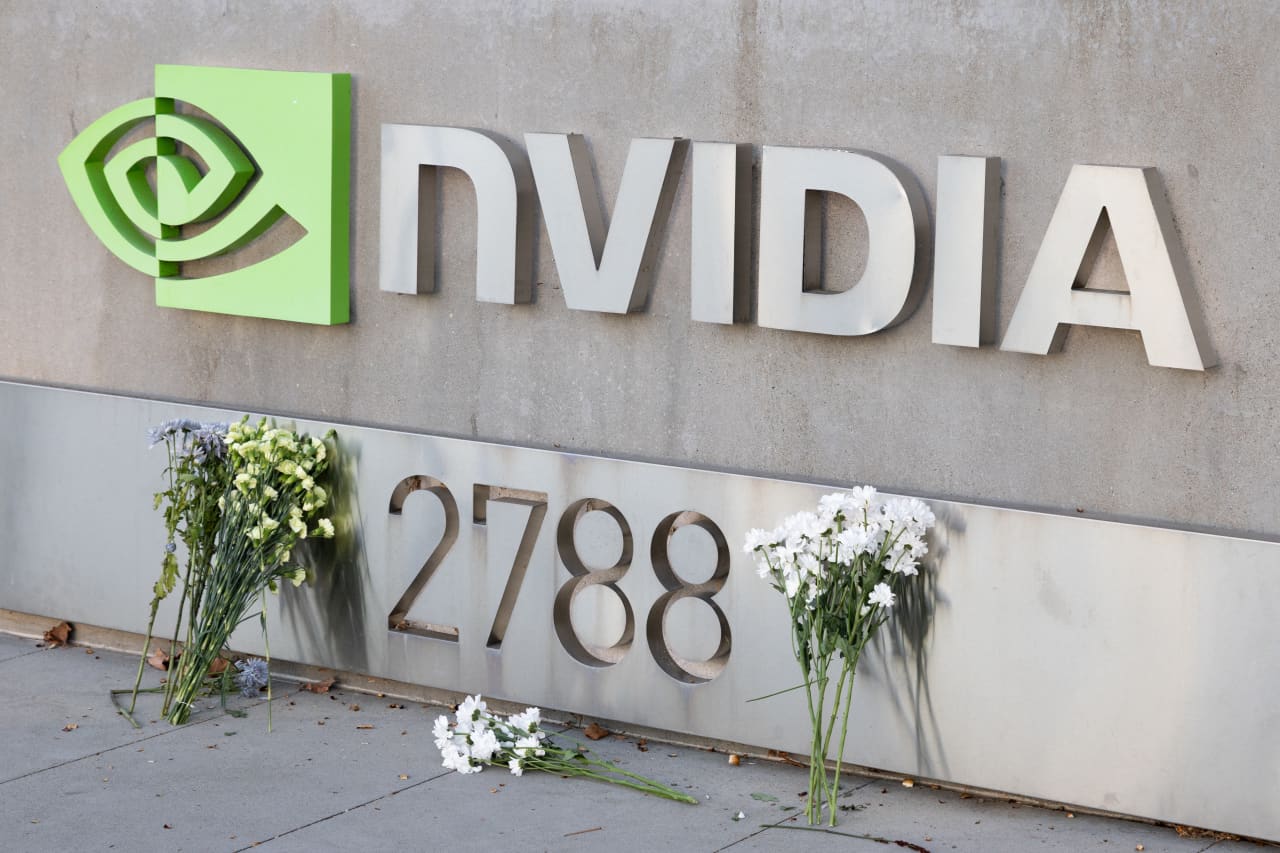
If you have money in a 401(k), there is a good chance some of it is tied to Nvidia. Most workplace plans hold target-date funds or index funds that track the S&P 500, and the index weights each company by its market value. As the chipmaker's valuation climbed on demand for AI hardware, its share of the index grew with it. For many savers, a meaningful slice of their retirement balance now depends on the fortunes of one company.
That is the heart of the concern. Diversification is supposed to protect investors when any single stock stumbles, but a market-cap-weighted index does not spread risk evenly. The largest companies receive the largest share, and their momentum tends to pull them higher still. When a small group of firms dominates, the index behaves less like a cross-section of the economy and more like a concentrated bet on a few technology names. Someone who believes they own 500 businesses may be far more exposed to a handful of them than they expect.
Controversy surrounding Nvidia has put that structure under a spotlight. When a high-profile company faces scrutiny, its shares can move quickly, and because so many funds hold it, the effect spreads into retirement accounts that never made a direct decision about the stock. Nvidia is not the only large company that carries this kind of weight, but its size and the enthusiasm around artificial intelligence make it an unusually visible example.
Savers who want to check their own exposure can start by looking up the top holdings of the funds in their plan. Many plan websites list them, and a quick review will show how much of the portfolio sits in the largest index names. Some investors respond by adding equal-weight funds, international stock funds or small-cap funds to reduce reliance on the biggest companies. Others decide that owning the market's leaders is the point and accept the concentration. The right choice depends on age, time horizon and tolerance for swings, and a fee-only financial planner can help weigh the trade-offs.
The broader lesson is that passive investing is not the same as neutral investing. An index fund follows fixed rules, and those rules can tilt heavily toward whatever has recently risen. Investors who never log in to their 401(k) may still be making a concentrated bet, simply because it was the default.
Reporting based on an external source.